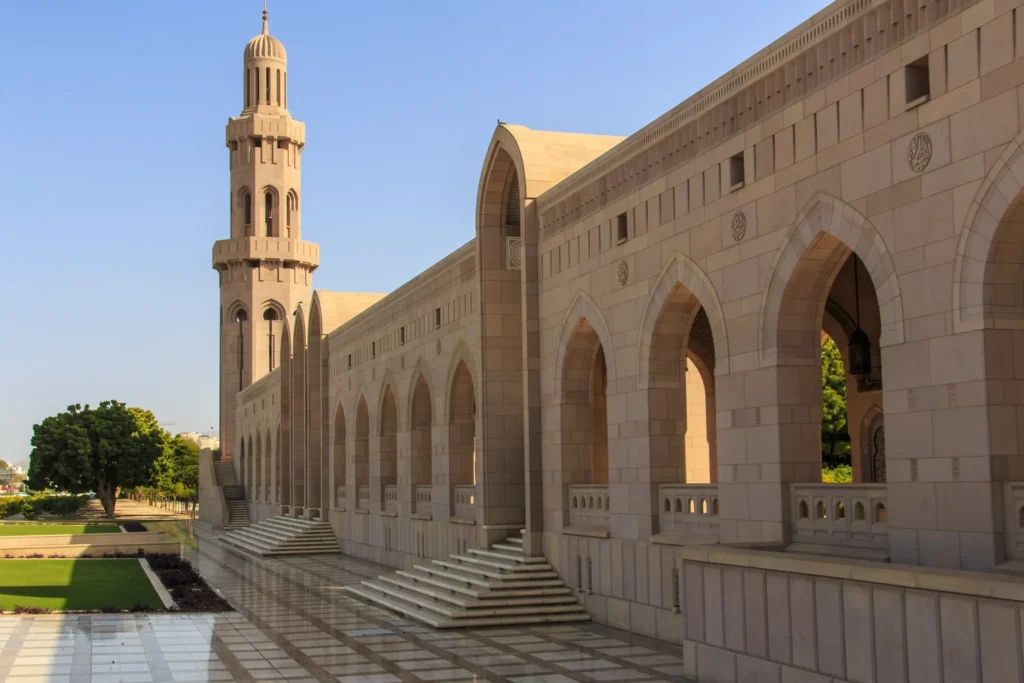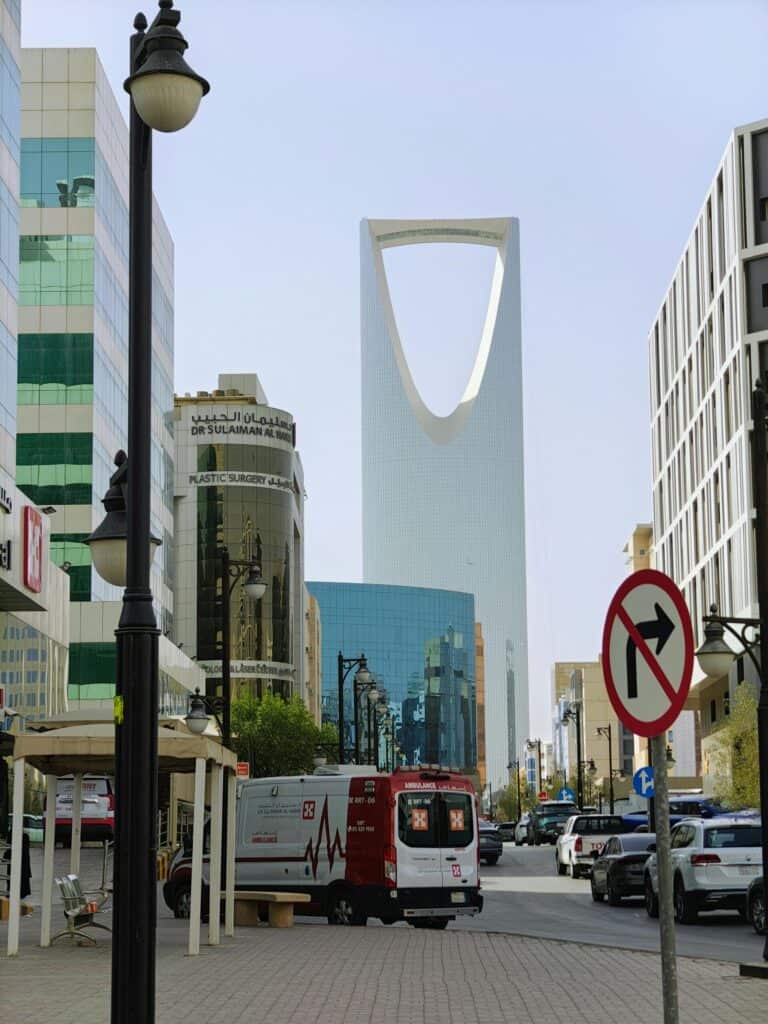
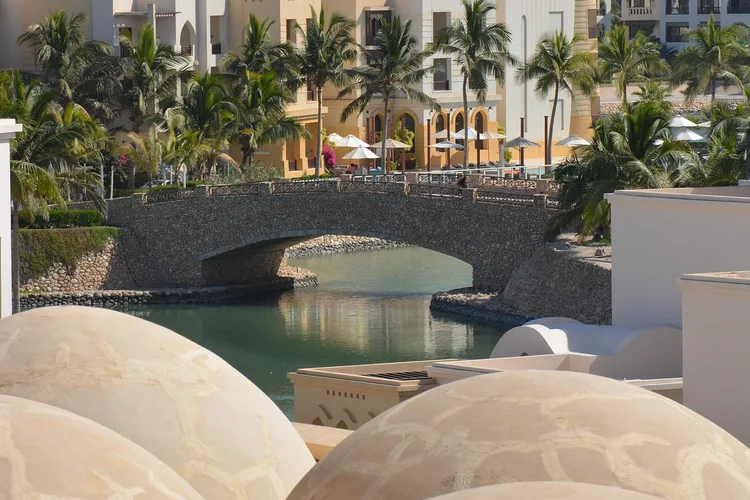
Oman: Dubai comfort, but with real coastline and mountains
Oman is the closest substitute when you want Gulf-level comfort without the “theme park” feeling. You can stay in excellent hotels, with the kind of clean service and well-run operations that Dubai travelers expect. The difference is that Oman does not try to entertain you nonstop. It assumes you will go outside.
Muscat is calm, functional, and more local than Dubai. The city is not built around spectacle. That is exactly why it works. You can have a high-end base, then do day trips that feel like they belong to the country: coastal drives, wadis, and mountain scenery. Dubai has beaches, but Oman’s coastline feels less packaged. You notice it most in the pace and in the lack of noise.
Oman is also a better choice if you like a hotel experience that is still luxurious, but not attention-seeking. The “luxury” here is often space, quiet, and good taste rather than constant visual drama. You will not get Dubai’s density of fine dining or nightlife. For many travelers, that is not a loss.
If you want one simple way to frame it: Dubai is designed to impress you. Oman is designed to let you breathe. If you travel well when you have space and nature within reach, Oman is an easy win.
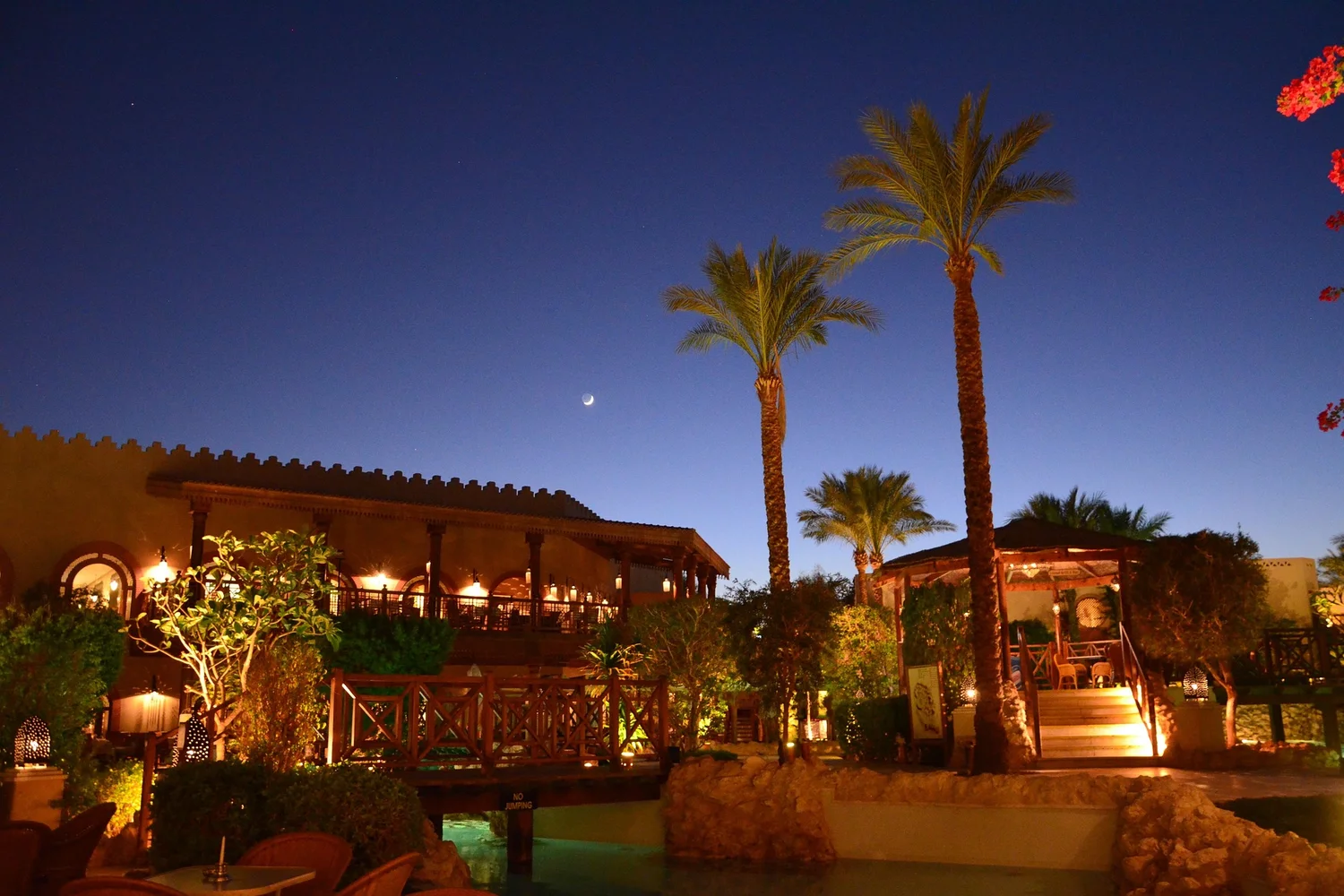
Egypt’s Red Sea: resort life that delivers, especially if you like the water
If your Dubai trip is mostly “beach + hotel + pool + sun,” Egypt’s Red Sea can feel like a smarter version of the same idea. The value is usually stronger, and the sea is the main attraction in a way Dubai cannot match.
El Gouna
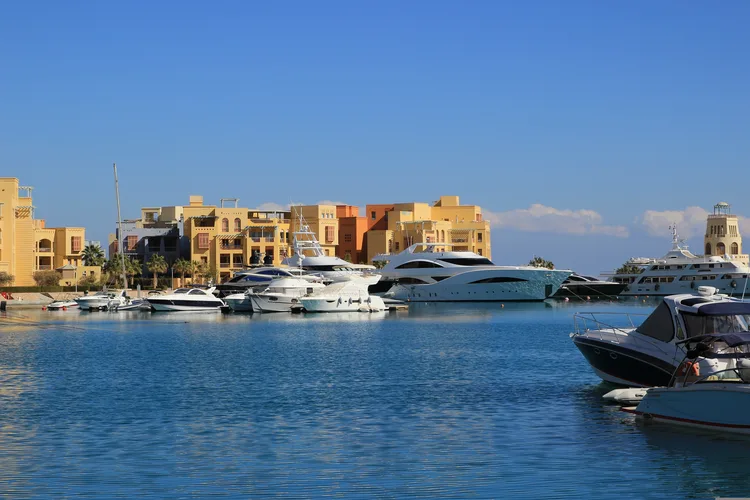
El Gouna is the more controlled, curated option. It is built for comfort. You get tidy roads, a marina mood, and a version of resort living that feels organized rather than chaotic. If you like Dubai’s smoothness, El Gouna is often the easiest transition because the environment is designed to be low-friction.
It is not “Egypt” in a deep cultural sense. It is a resort town. That is not a problem if you are honest about why you are going. The upside is that you can fully relax without feeling like you are missing the point of the country.
Sharm El Sheikh
Sharm is more classic resort energy. Bigger properties. More volume. More of the “holiday machine.” The coastline and underwater life are the reason to come. If you dive or snorkel, Sharm can feel like a trip with a real payoff, not just a pretty hotel.
The main limitation is that Sharm is not subtle. Some areas can feel heavily touristic. You avoid disappointment by choosing a strong property and treating the destination as a sea escape, not a cultural city break.
In both El Gouna and Sharm, the best part is simple: you are paying for the sea, and you actually get it. Dubai’s beach scene can be fun, but it is not a destination for underwater beauty. The Red Sea is.
Marrakech: not a beach alternative, but a strong “Dubai swap” for atmosphere and design
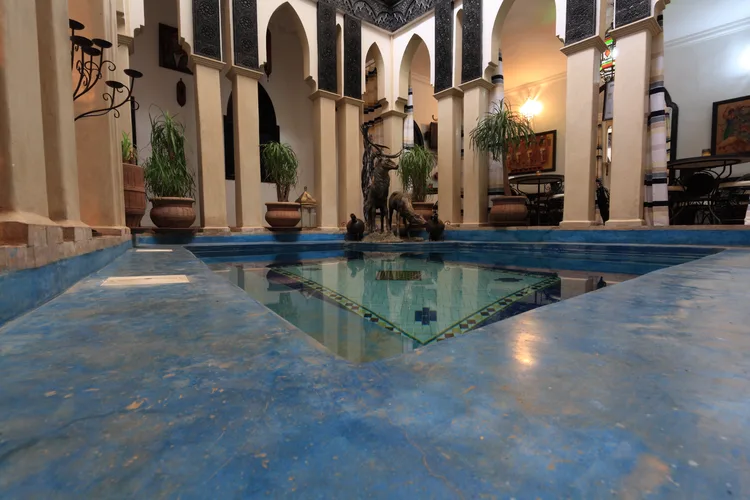
Marrakech is not a sea destination, but it belongs on this list because many Dubai trips are not really about the sea. They are about a short, high-comfort break with good hotels, strong service, and a sense of escape. Marrakech can do that—just in a different language.
The best version of Marrakech is hotel-led. You pick a good riad in the medina if you want architecture, design, and intimacy, or you stay just outside the center if you want space and quiet. Either way, Marrakech gives you a feeling Dubai often lacks: texture. You feel history. You hear daily life. You smell food that is not designed for a global mall.
The trade-off is that Marrakech is more intense at street level. Dubai is built to remove friction. Marrakech still has friction. You manage it by keeping your days simple and not trying to “conquer” the medina. Do not force yourself into long wandering sessions if you do not enjoy crowds and sales pressure. Visit with intention, then retreat to comfort.
Luxury exists in Marrakech, but it reads differently. It is not flash. It is mood, craft, courtyards, and staff who know how to host. If you want “Dubai luxury” in the sense of big-brand gloss, you may find it softer here. If you want luxury that feels human and rooted, Marrakech can be more satisfying.
The Red Sea Project (Saudi Arabia): high-design coastal travel, still niche, best for planners
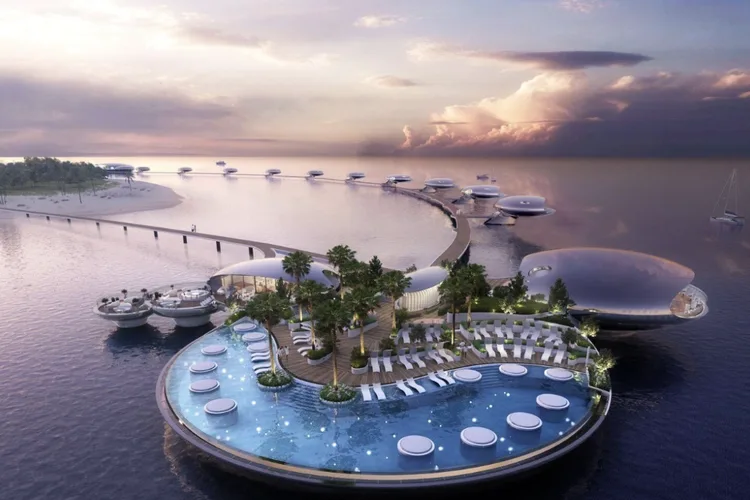
The Red Sea Project is Saudi Arabia’s attempt to build a new kind of coastal destination: high-end, design-forward, controlled, and nature-led. Think “premium resort escape,” not city break. If Dubai is your reference point, this is closer to a curated island-resort experience than an urban one.
The upside is clear: new infrastructure, very high standards in the properties that are open, and a setting that feels intentionally protected. The best trips here will feel clean and calm, with strong service and a clear emphasis on landscape.
The limitation is also clear: it is still developing. That means the experience can feel “contained.” You are not going for street life, local chaos, or spontaneous discovery. You are going for a polished coastal bubble, with less visual noise than Dubai and more focus on sea and design.
This is worth considering if you like Dubai’s comfort but want less spectacle and more quiet. It is not the choice for travelers who need variety every night or who get bored when the destination is hotel-centered.
AlUla (Saudi Arabia): the best “desert alternative” when you want substance, not shopping
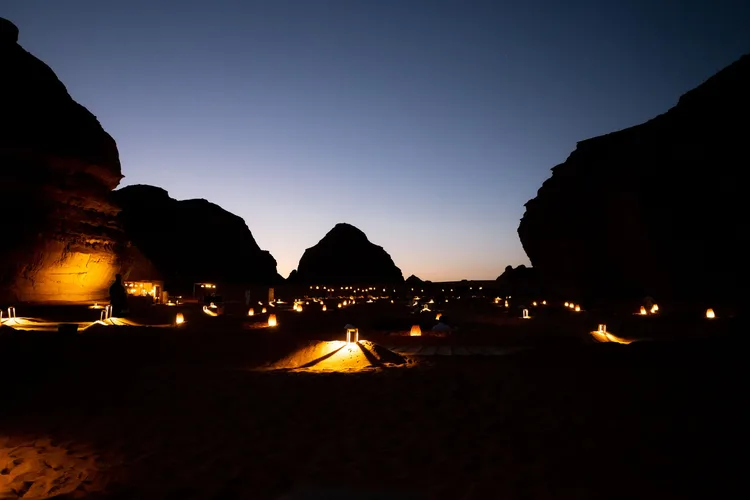
AlUla is not a sea destination either, but it fits naturally in this conversation because many Dubai travelers also want desert scenery and a “special” landscape. Dubai’s desert experiences can feel packaged. AlUla feels like a real place with scale.
The landscape is the headline: rock formations, open space, and a sense of distance that Dubai cannot offer. AlUla also works for travelers who like a curated experience, but want it to be built around heritage and nature rather than malls and skyline views.
Hotels in AlUla are positioned for high-comfort travel. You can do this trip with a strong standard of service and still feel like you are somewhere unique. The risk is not “quality.” The risk is fit. If you want a city with endless options, AlUla will feel quiet. If you want to reset your brain, it can be excellent.
A smart way to use AlUla is as a short, high-impact trip: a few days of scenery, calm evenings, and one or two structured experiences. It is not a destination you “do more” by cramming more in. It is better when you slow down.
How to choose the right alternative
If you want the closest thing to Dubai, but better nature: Oman.
If you want a real sea holiday where the water is the point: Egypt’s Red Sea (El Gouna for controlled comfort, Sharm for classic resort energy).
If you want a design-and-culture break with high-comfort hotels: Marrakech, as long as you accept a bit more street-level intensity.
If you want a premium, curated coastal escape and you like new, controlled destinations: The Red Sea Project.
If you want desert with substance and scale, not a packaged excursion: AlUla.
Dubai is still Dubai. But if you are ready for places that feel less artificial, these are the alternatives that hold up—because they deliver comfort and a stronger sense of place.