1. Culture & Museums in Muscat
Sultan Qaboos Grand Mosque
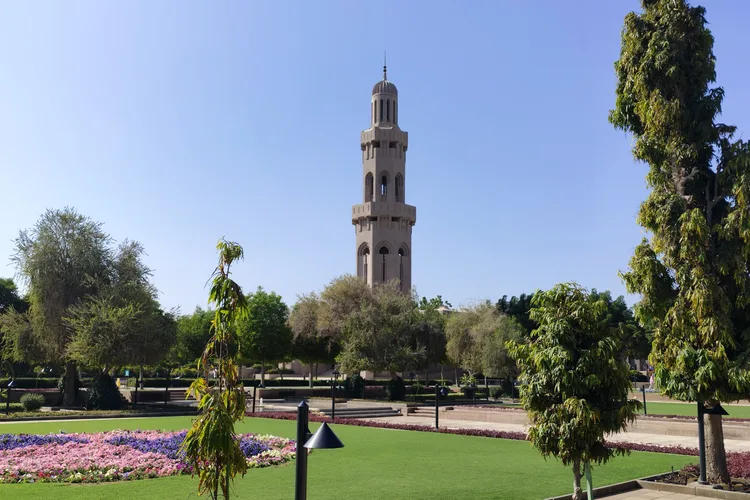
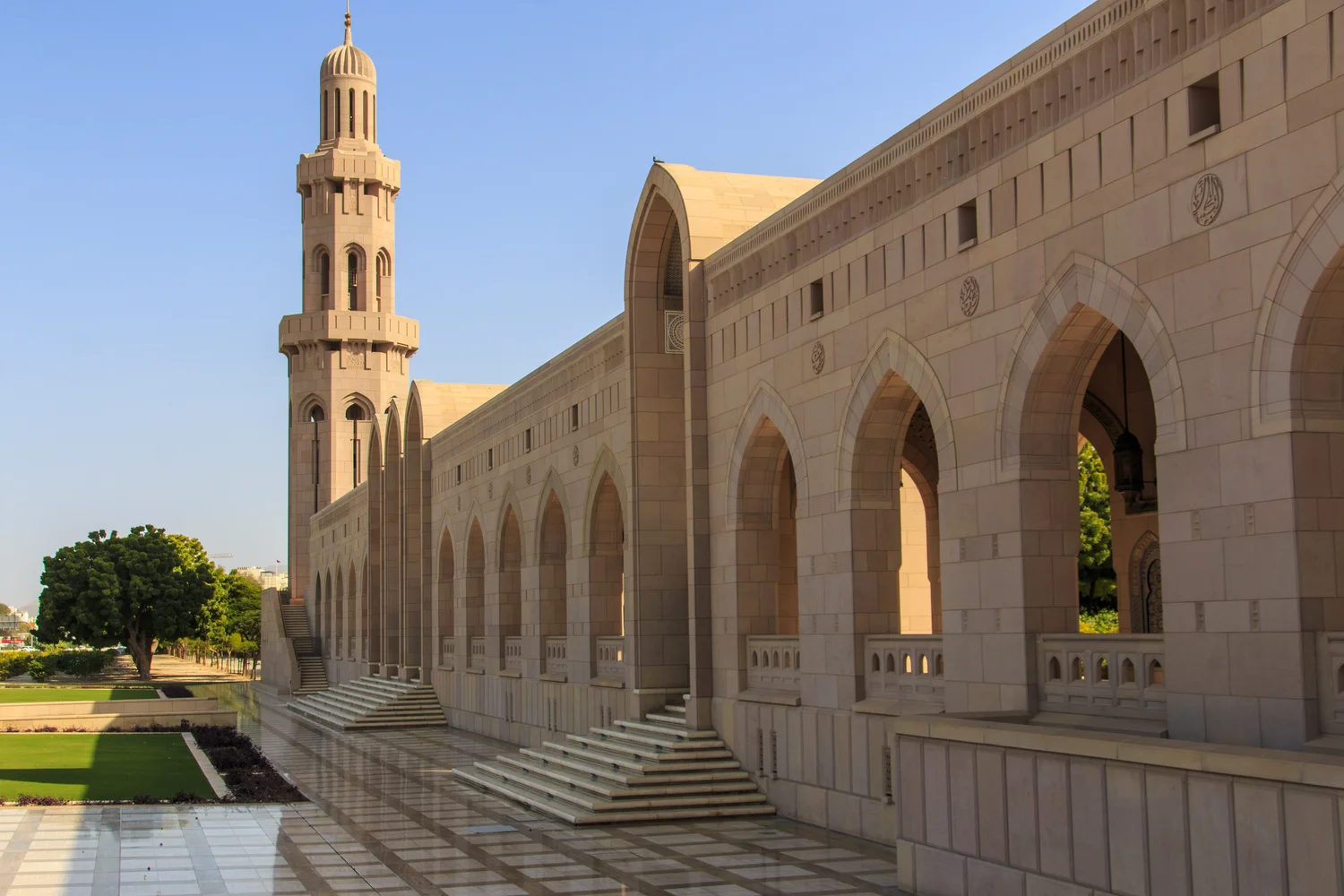
The Sultan Qaboos Grand Mosque is a masterwork of modern Islamic architecture. Built with imported marble, intricate mosaics, and ornate details, it houses one of the world’s largest hand-woven carpets and a chandelier that dominates the prayer hall. It’s open to non-Muslim visitors (modest dress required) and entry is free. For the most serene experience, arrive early, before tour groups filter in; the shifting sunlight across the marble courtyards and colonnades reveals delicate textures you won’t notice later in the day. Photographers will appreciate the play of shadow and light under the domes and along the arcades, a scene that captures why Muscat anchors so many things to do in Muscat lists.
Muttrah Corniche & Souq
The Muttrah Corniche curves along the waterfront, hemmed by ochre hills and dhow-dotted waters. It’s a leisurely walk where you’ll pass fishermen repairing nets and watch seabirds skimming the surface. Slip inland and the Muttrah Souq unfolds as a maze of alleys perfumed with frankincense; vendors sell silver jewelry, khanjars, textiles, and souvenirs in dimly lit stalls that feel unchanged by time. Late afternoon is the sweet spot: the heat softens, the light warms for photos, and the Corniche glows toward sunset. Pair both in a single loop—Corniche, then souq—so you emerge to twilight over the harbor, a classic places to visit in Muscat moment.
Royal Opera House Muscat
Oman’s cultural showpiece mixes traditional craftsmanship with modern acoustics. The Royal Opera House hosts a rotating calendar of music, dance, and theater, and even if you don’t attend a performance, guided tours reveal intricate woodwork, inlaid stone, and plush salons behind the scenes. If your travel dates line up, consider booking a performance to see the hall at its best; otherwise, a daytime tour still delivers the architectural drama without the dress code. Either way, it’s a refined counterpoint to Muscat’s markets and mosques and a reminder that Oman’s capital is as cultural as it is coastal.
National Museum of Oman
Steps from the Old Muscat area, the National Museum distills the country’s story—from prehistory and seafaring to Islamic heritage and statehood—through tactile galleries and well-paced multimedia. The audio guide adds clarity to the maritime rooms and arms collections, threading narratives you might otherwise miss. Plan for an unhurried hour or two; it’s an easy way to ground the rest of your trip with context before you head for forts, wadis, and mountains.
Amerat Park
Amerat Park offers a quieter, local slice of the city: lawns and walking paths tucked between hills, families gathering toward the end of the day, and a slower mood than the coast. It’s not essential if time is tight, but if you’re staying nearby or want a gentle evening stroll, the views as the light fades make it a pleasant pause between city sights.
2. Nature & Outdoor Adventures from Muscat
Jebel Shams “Balcony Walk”
Jebel Shams, the “Sun Mountain,” is Oman’s highest peak and the gateway to the country’s version of a grand canyon. The Balcony Walk traces a ledge with sheer drops to one side and layered sedimentary cliffs to the other, weaving past abandoned stone villages and terraced plots. Start early to avoid midday heat, carry plenty of water, and bring layers—temperatures can fall sharply with elevation and late afternoon shade. The route itself isn’t technically difficult, but it’s exposed; sure footing and a head for heights help. For hikers, it’s a centerpiece of hiking in Oman, delivering the drama that pulls people into the Hajar Mountains.
Wahiba Sands (Sharqiyah Sands)
Wahiba Sands is a sea of dunes that ripples to the horizon, its color shifting from pale gold to deep apricot as the sun arcs across the sky. Most travelers come for a combination of gentle dune bashing, a camel ride, and a night in a Bedouin-style camp. Staying over is the magic: the wind drops, stars appear in impossible numbers, and dawn crawls across the sand with cool, blue light. Camps range from simple tents with shared facilities to comfortable en-suite options; whichever you choose, bring a light scarf for wind and sand, and expect surprisingly cool nights even in warm seasons. For an Oman itinerary that balances culture and landscape, a desert night is essential.
Wadi Shab
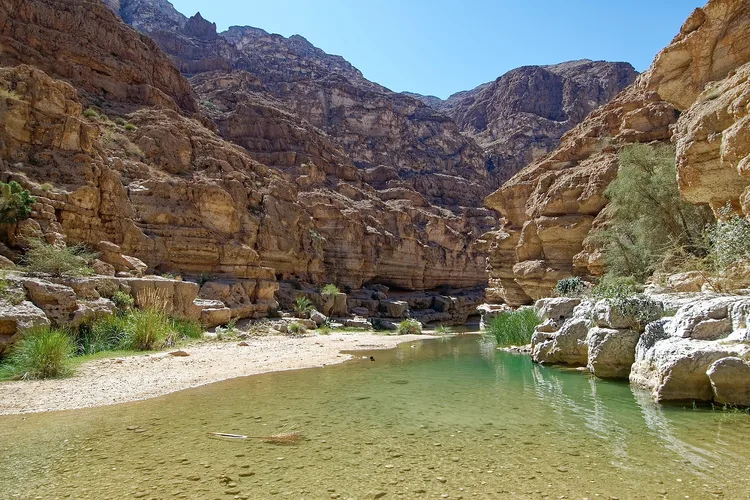
One of Oman’s best-loved wadis is also among its most rewarding short hikes. A quick boat hop across the entrance channel leads to a path that crisscrosses the stream and skirts boulders before dissolving into pools hemmed by high gorge walls. Continue until the canyon narrows into a cleft with a partially submerged entrance; slip through (confident swimmers only) to reach a hidden waterfall chamber. Sturdy water shoes, a dry bag, and a willingness to wade make the day smoother. Time the return so you’re not walking the exposed sections in the hottest hour, and save a few minutes to float under palm shade where the valley opens up.
Bimmah Sinkhole (Hawiyat Najm Park)
Just inland from the coast road between Dibab and Tiwi, Bimmah Sinkhole is a perfect oval of turquoise water dropped into pale limestone. A staircase spirals down to ledges where locals and travelers lounge and swim; the brackish water is connected to the sea through subterranean passages, which keeps the hue luminous. Visit earlier in the day for fewer crowds and truer color, then link it with nearby wadis for an effortless mini-loop. Many travelers pin it onto a Oman road trip from Muscat to Sur, making it a scenic leg-stretch between hikes.
Fins “White Beach”
A short detour off the coastal route brings you to a crescent of white sand backed by small dunes and startlingly clear water. There are no formal facilities, which is part of its appeal; bring shade, water, and snacks, and leave no trace. On calm days, the clarity is irresistible for a swim, and the contrast with darker shingle beaches elsewhere makes it a standout rest stop between wadis.
Daymaniyat Islands Nature Reserve
The Daymaniyat archipelago—nine low-lying islands north of Muscat—forms Oman’s premier marine reserve. With licensed operators controlling access and visitor numbers, the coral gardens stay healthy and the water stays clear. Expect turtles, dense shoals of reef fish, and occasional rays in visibility that often feels Caribbean. Trips run from Muscat or nearby Seeb; confirm whether your operator includes permits and kit, and choose between snorkeling and diving according to your comfort. For travelers who want wildlife and water without long transfers, it’s the easiest way to sample snorkeling in Oman.
Buwah Valley (Wādī Buwah)
Straddling the Al Batinah and Ad Dakhiliyah boundary, Wādī Buwah is wilder and less waymarked than the headline wadis. Expect rugged tracks, boulder gardens, and seasonal flows that can alter the line year to year. Go with a local guide or a small group if you’re not used to navigating in wadis, especially in shoulder season when weather can flip quickly. The reward is the hush: cliffs, scrub, and the kind of silence that feels far removed from the highway’s hum.
3. History & Culture in Muscat
Nizwa Fort & Souq
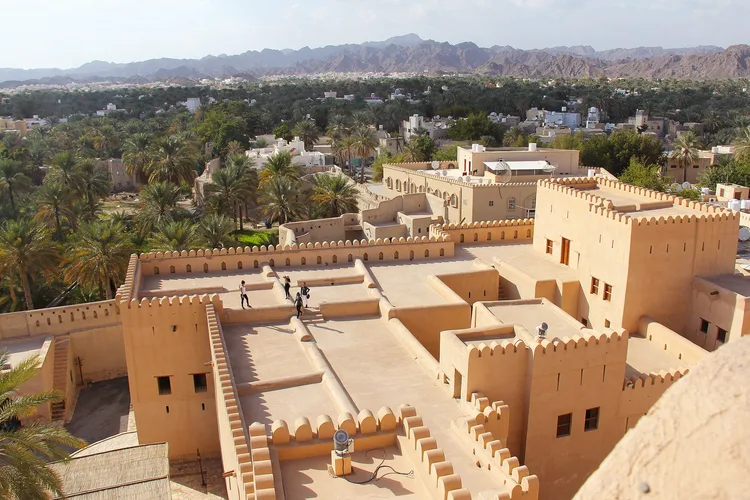
Nizwa Fort rises above a sweep of palm groves and date farms, its distinctive circular tower guarding the old capital. Climb to the top for 360-degree views over the oasis and surrounding hills, then duck into rooms that illustrate daily life and defense—from ammunition stores to guard quarters. Pair the fort with the adjacent souq; on Fridays the goat market turns the plaza into a swirl of traders and families, but on any day you’ll find spice stalls, silverwork, pottery, and halwa. Visit early or late to sidestep the harshest heat and to see the marketplace at its liveliest.
Oman Across Ages Museum (Manah, near Nizwa)
Opened in 2023, Oman Across Ages is a sleek, narrative museum that threads geology, maritime trade, craft traditions, innovation, and politics into a single arc. The architecture borrows cues from the Hajar mountains, then folds you through immersive, interactive galleries that reward curiosity. It’s the kind of place where an hour becomes two without you noticing. If you’re road-tripping between Muscat and the interior, slot the museum before or after Nizwa to frame what you’ll see in forts and villages—context that lingers once you’re back among the mountains.