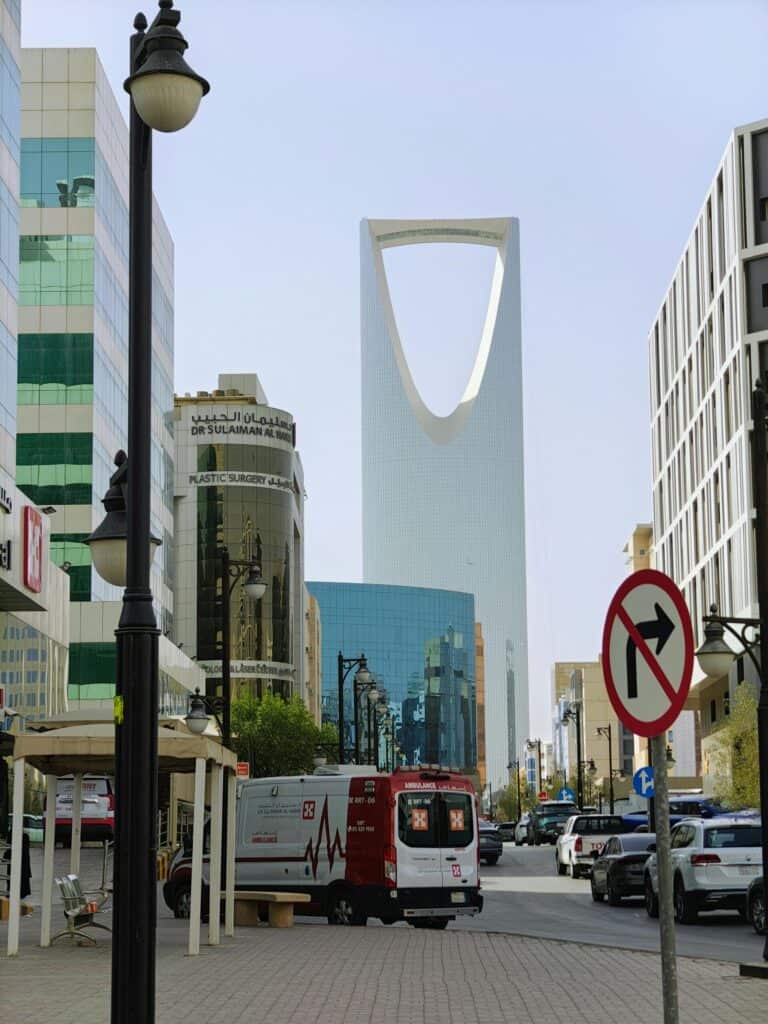
Saudi Arabia is one of the Middle East’s most intriguing destinations—a land where ancient history, dramatic deserts, and ambitious futuristic cities coexist. With the country now open to leisure tourism through its easy eVisa system and Vision 2030 initiatives, traveling to Saudi Arabia has become more accessible than ever. In this guide you’ll find the essentials to plan your trip: visa requirements, safety, dress code, when to visit, and the most inspiring regions to explore—from Riyadh’s modern skyline to the sandstone wonders of AlUla and the emerging Red Sea coastline.
Quick insights
Saudi Riyal (SAR)
October — March
Arabic (English widely spoken in cities)
Before you travel
Safety
Saudi Arabia is generally safe for visitors, with low crime rates and a strong emphasis on public security. Female travelers can move independently. Respect local laws and customs to ensure a smooth experience.
Visa
Saudi Arabia offers a convenient tourist eVisa for travelers. The application takes only a few minutes and approval is usually instant.
Transport
Domestic flights are affordable and ideal for long distances. Uber works well in Riyadh, Jeddah and Dammam. For AlUla, renting a car gives you more flexibility.
Connectivity
Tourist SIM cards (STC, Mobily, Zain) are available at the airport with good coverage.
Daily travel expenses
Expect to spend $130–220 per person per day, including comfortable hotels, meals and local transport. Saudi Arabia is largely cashless—cards work almost everywhere—but carrying a bit of SAR is useful for markets, taxis and small family-run shops.
Saudi Arabia travel guides

Everything you need to know about visiting Saudi Arabia
Is Saudi Arabia safe to travel?
Yes. Saudi Arabia is generally safe for tourists, with low crime rates and reliable public security. As in any major city, stay aware of your surroundings, especially at night.
Do women need to wear an abaya in Saudi Arabia?
No. An abaya is no longer required for foreign visitors, but modest clothing is expected. Many travelers choose long dresses, trousers, or loose layers.
What should women wear in Saudi Arabia?
The key is modesty: covered shoulders and knees. Lightweight fabrics work best in the heat. Carrying a scarf is useful when visiting religious areas.
Do I need a visa to visit Saudi Arabia?
Yes. Most travelers can apply for the Saudi eVisa, a fast and simple online process. Different period options are available.
What is the best time to visit Saudi Arabia?
Between October and March—cooler temperatures make sightseeing, desert experiences, and AlUla visits more enjoyable.
Is Saudi Arabia safe for solo female travellers?
Yes. Solo female travel is increasingly common. Follow local dress guidelines and cultural norms, and you’ll find the country welcoming and easy to navigate.