Wadi Rum, Jordan
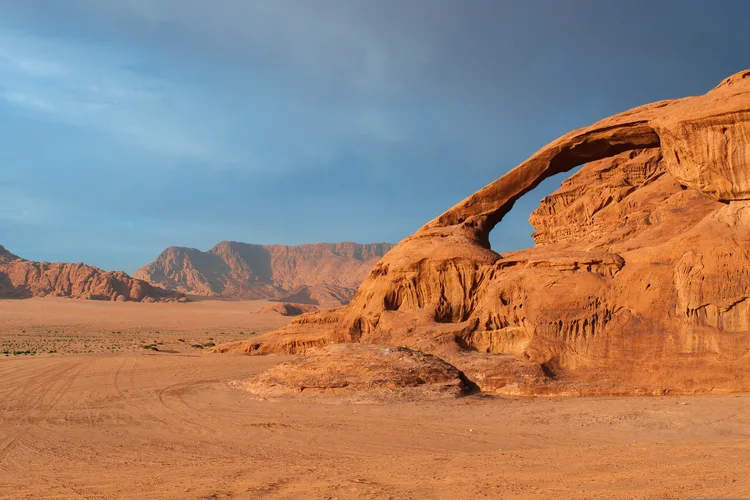
Wadi Rum is not a classic “sea of dunes” desert. The sand is often red, and the landscape is defined more by rock formations, cliffs, and wide open valleys than by rolling dunes. That is exactly why it is worth it. It feels cinematic without being fake.
Most people experience Wadi Rum with a mix of 4×4 driving and short walks, which works well because distances are bigger than they look. If you want something more active, it is one of the best places in the region for trekking through narrow canyons and rocky corridors. Quad biking exists too, but it can make the experience feel noisy and rushed if you are looking for atmosphere rather than adrenaline.
Wadi Rum is at its best when you accept the desert rhythm: early start, long golden-hour light, and a simple night under the sky. If you only do a quick loop and leave, you will miss the point.
Wahiba Sands, Oman
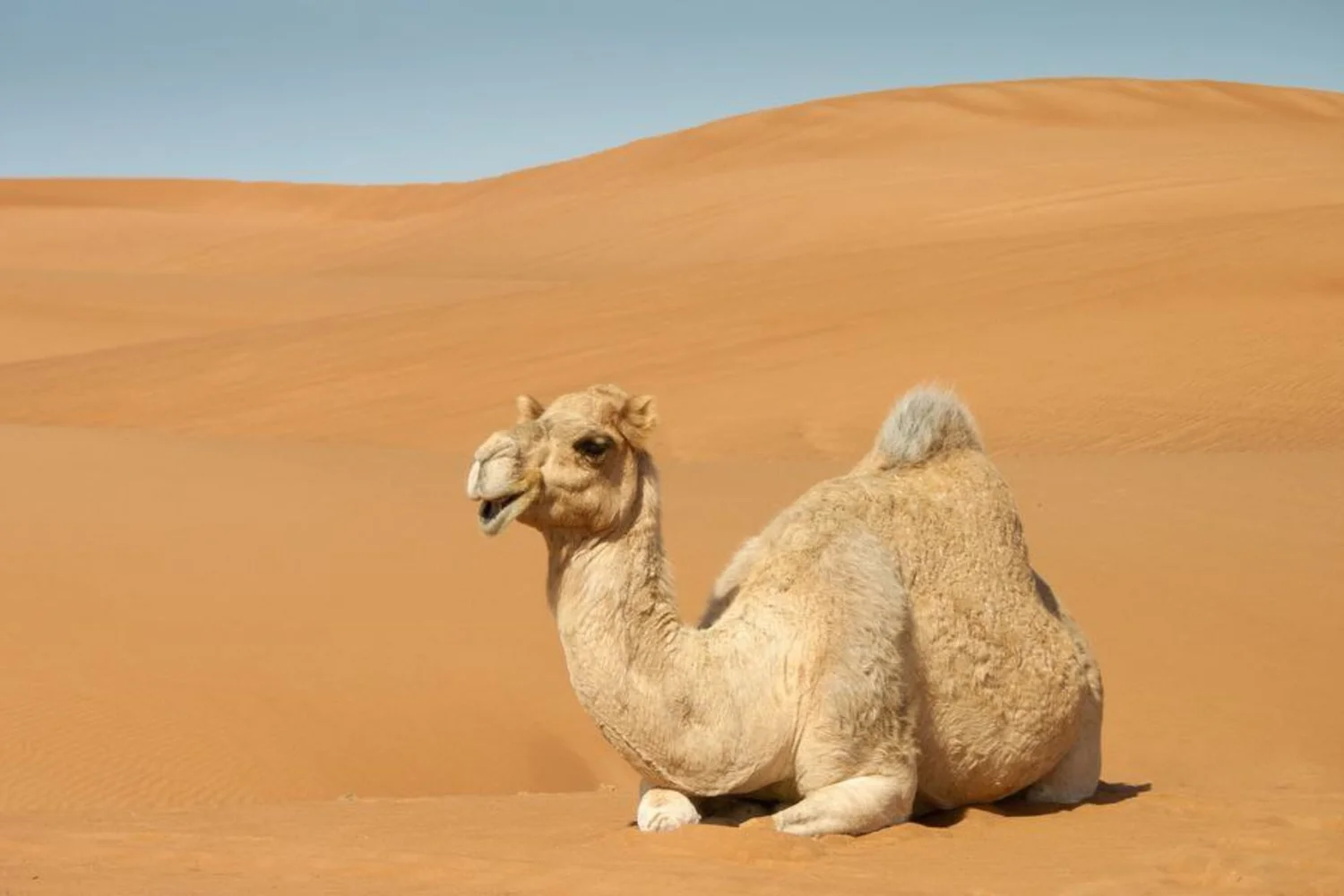
Wahiba Sands (often called Sharqiya Sands) is the desert people imagine when they think “Arabian dunes.” These are golden dunes, soft light, and clean lines—much more “classic desert” than Wadi Rum.
The logistics are part of the appeal. It is easy to reach from Muscat, and there are plenty of day trips if you want a taste without committing to an overnight. But the desert only really makes sense if you stay the night. That is when it becomes quiet, and you get the temperature drop and the sky.
This is a good option if you want immersion with organized infrastructure: local-style camps, simple comfort, and a setup that makes it easy even if you are not an experienced outdoors traveler. It is not a wilderness expedition. It is a controlled desert experience done in a way that still feels authentic enough.
The Empty Quarter (Rub’ al Khali), Saudi Arabia
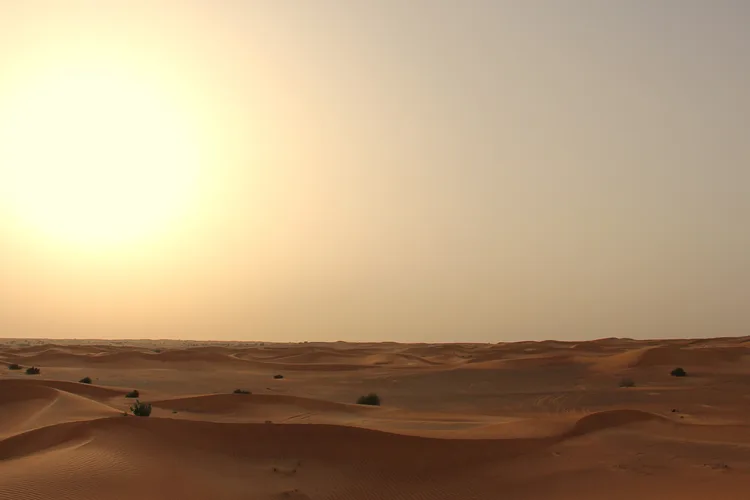
If you want scale, nothing beats the Empty Quarter. This is the largest continuous sand desert in the world, stretching across Saudi Arabia and into parts of Oman and the UAE. It is the kind of place that looks unreal because the horizon barely changes.
This is real dune desert. Not a scenic “sample.” The trips that do it properly are usually multi-day, often arranged from major hubs like Riyadh. That is the key difference versus places like Wahiba: you do not go here for a quick overnight with dinner and a photo stop. You go here because you want the feeling of distance.
It is not for everyone. If you get bored without variety, or you need constant activities, it can feel repetitive. But if you want a desert that feels genuinely vast and indifferent to you—in the best way—this is the one.
Sahara Desert, Morocco
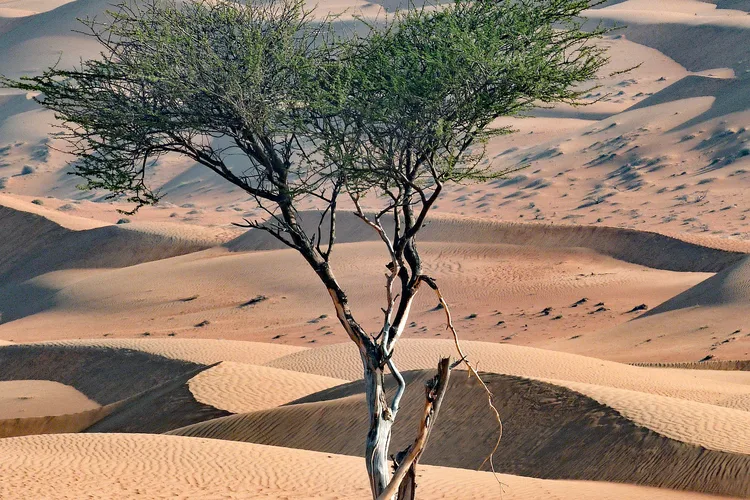
The Sahara is not in the Middle East, but it belongs in this conversation because it is one of the world’s reference deserts. If someone has “desert dreams,” they often mean the Sahara: big dunes, long light, and that iconic sense of space.
For most travelers, the practical route is an organized escape from Marrakech. This is where expectations matter. A lot of Sahara trips are designed for volume tourism, and the “too perfect” packaging can flatten the experience. The better operators make space for the human side: stops that feel real, time in desert towns, and a less rushed pace.
The strong point here is the combination: dunes plus culture you can actually feel, especially if you choose an itinerary that does not treat local communities like background scenery.
AlUla desert, Saudi Arabia
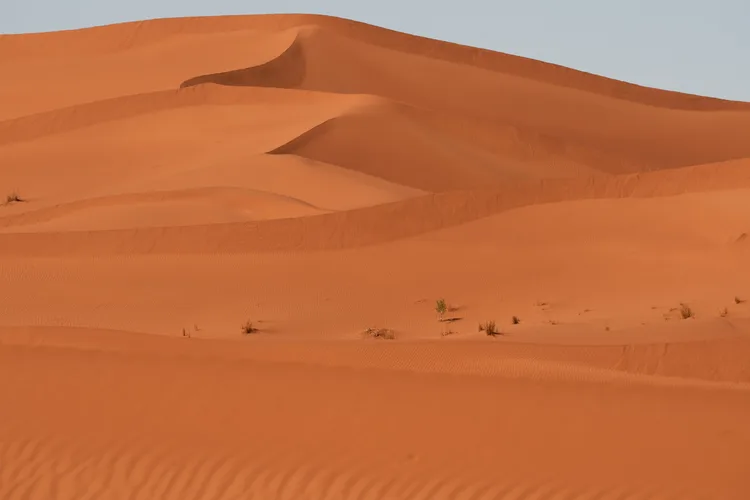
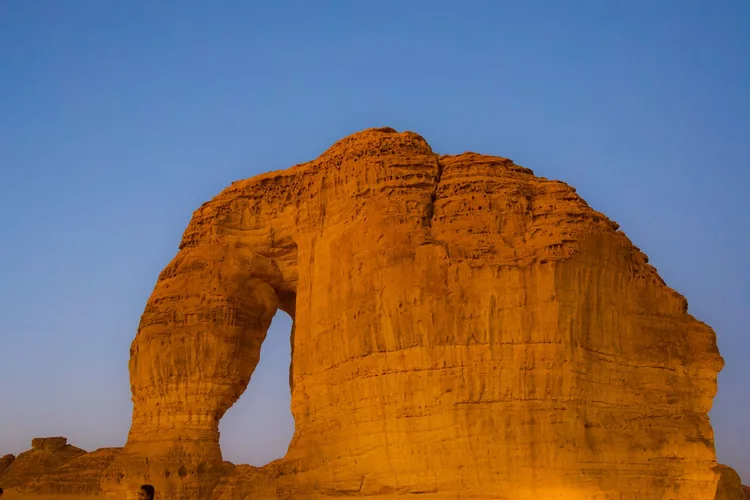
AlUla is desert, but it is also landscape design on a grand scale. The scenery is defined by dramatic rock formations, open plains, and a strong sense of geology. It is less “dune fantasy,” more “ancient stone and space.”
What makes AlUla stand out is the cultural layer. The area is known for its archaeological significance, with a UNESCO-listed site (Hegra) that gives the destination real weight beyond the visuals. If Dubai is “spectacle,” AlUla is “substance,” but still with high standards.
This is also where the luxury angle is strongest in this list. AlUla has high-end camps and resorts built for travelers who want desert atmosphere without giving up comfort. That can be a great match if you want desert nights, but you do not want rough edges.
Picking the right desert for your style
- If you want rock, canyons, and variety: choose Wadi Rum.
- If you want classic golden dunes with easy logistics: choose Wahiba Sands.
- If you want pure scale and a multi-day dune experience: choose the Empty Quarter.
- If you want famous mega-dunes plus strong cultural encounters: choose the Sahara.
- If you want desert + UNESCO heritage + luxury camps: choose AlUla.