Oman – the calm alternative
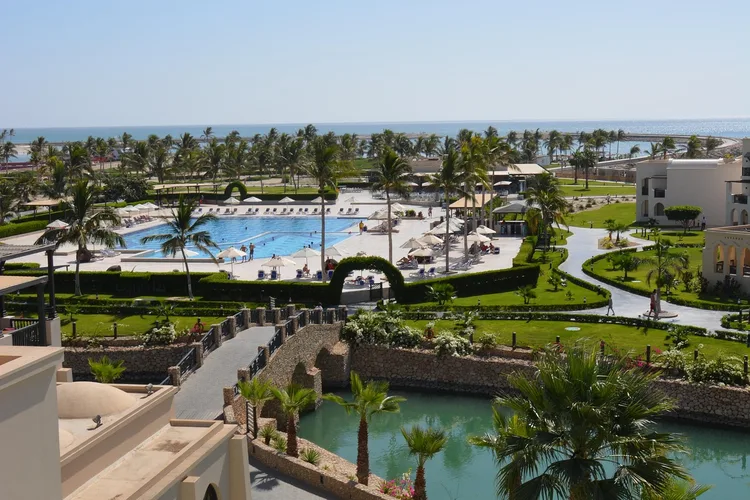
Oman is the most natural step if you want travel alternatives to the UAE without changing your travel style. It is comfortable, easy to move around, and visitors usually find it straightforward. The difference is what you get for your time: less gloss, more landscape, and a clearer sense of local life.
Compared to the UAE, Oman feels less artificial. The built environment is more restrained. The coastline and mountains shape the experience more than architecture does. And even when you stay in high-end resorts, the country still feels like a place people live in, not a destination designed around visitors.
Muscat
Muscat is a good base if you want culture without intensity. It is a capital city, but it does not have the pressure of a “global city” brand. You can mix a few cultural stops with simple pleasures: walking by the water, eating well, and having quiet evenings.
If you liked Abu Dhabi’s calmer side more than Dubai’s pace, Muscat will make sense. It is not a city that tries to entertain you every hour. That is the point.
Salalah
Salalah is Oman’s strategic advantage. In most of the peninsula, summer travel is a compromise. Salalah is one of the rare places where summer can actually be the best season, thanks to the khareef period, when mist and cooler air transform the landscape.
This matters if you are trying to plan around work schedules, school holidays, or fixed summer dates. Oman gives you two different “Omans” depending on the season: the north for much of the year, and the south when the rest of the region feels punishing.
Deserts and nature
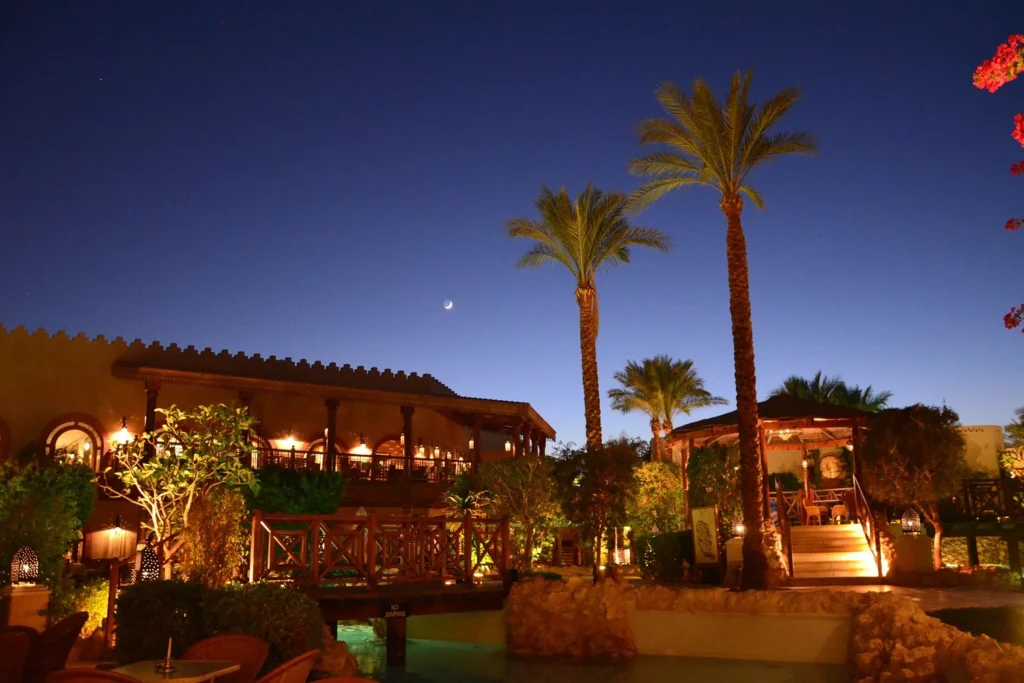
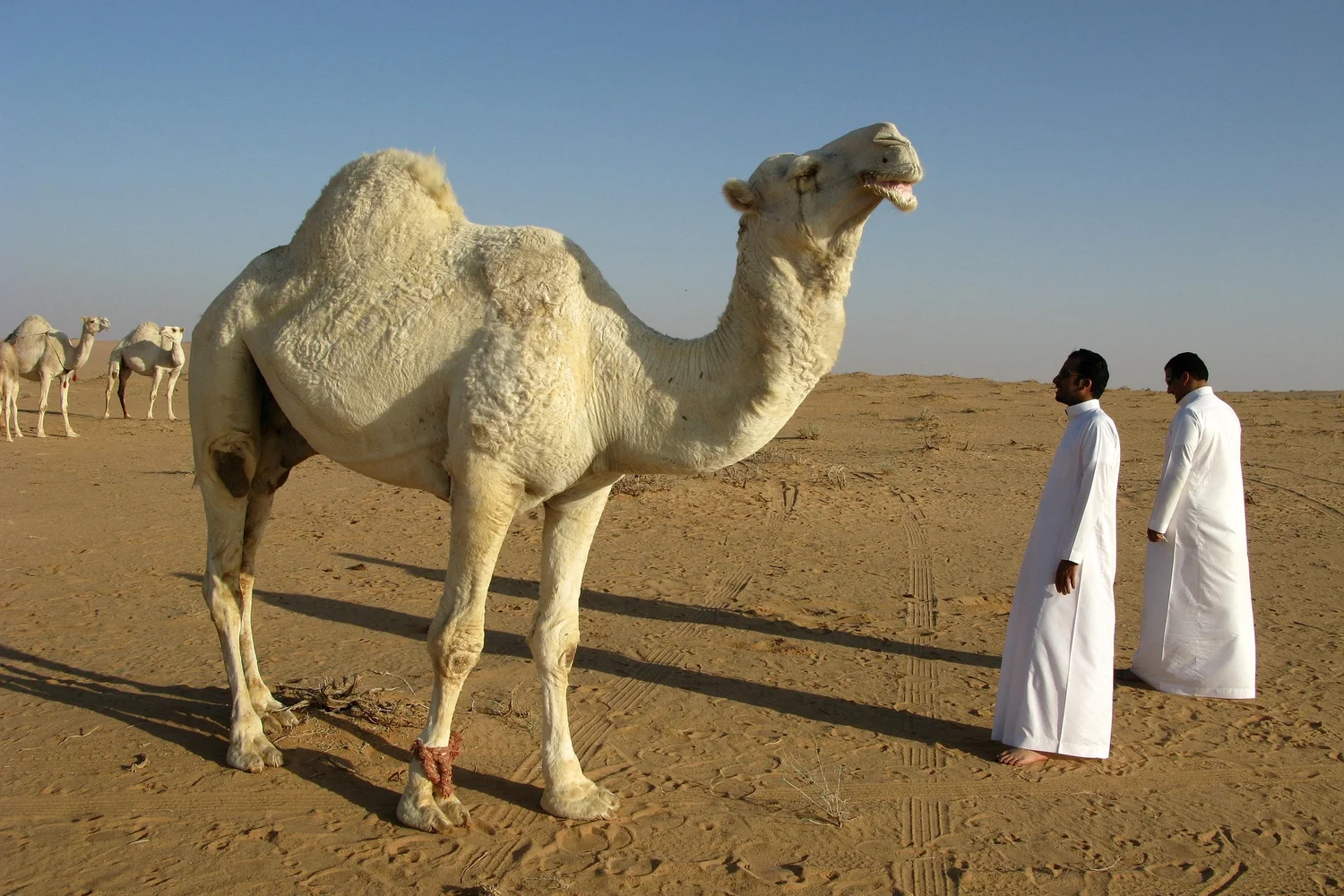
Oman’s desert and nature experiences tend to feel quieter and less packaged than in the UAE. You are there for the landscapes, not for the production value. The same is true for wadis, mountains, and coastline: more raw, more physical, and less controlled.
Oman also gives you range. You can do it as a relaxed, high-comfort trip with resorts, or you can do it with more movement and outdoors time. Most travelers sit somewhere in the middle.
Saudi Arabia – the rising destination
Saudi Arabia is the other major answer to travel alternatives to the UAE, but it is not a like-for-like replacement. It is bigger, more varied, and still changing fast. It can feel exciting because parts of it are genuinely new to international tourism. It can also feel less smooth than the UAE, depending on where you go and how you travel.
The best way to think about Saudi is as a set of strong regions rather than one single trip. You can choose city culture, heritage desert landscapes, or luxury coastal relaxation. You can also combine them if you have enough time.
Riyadh
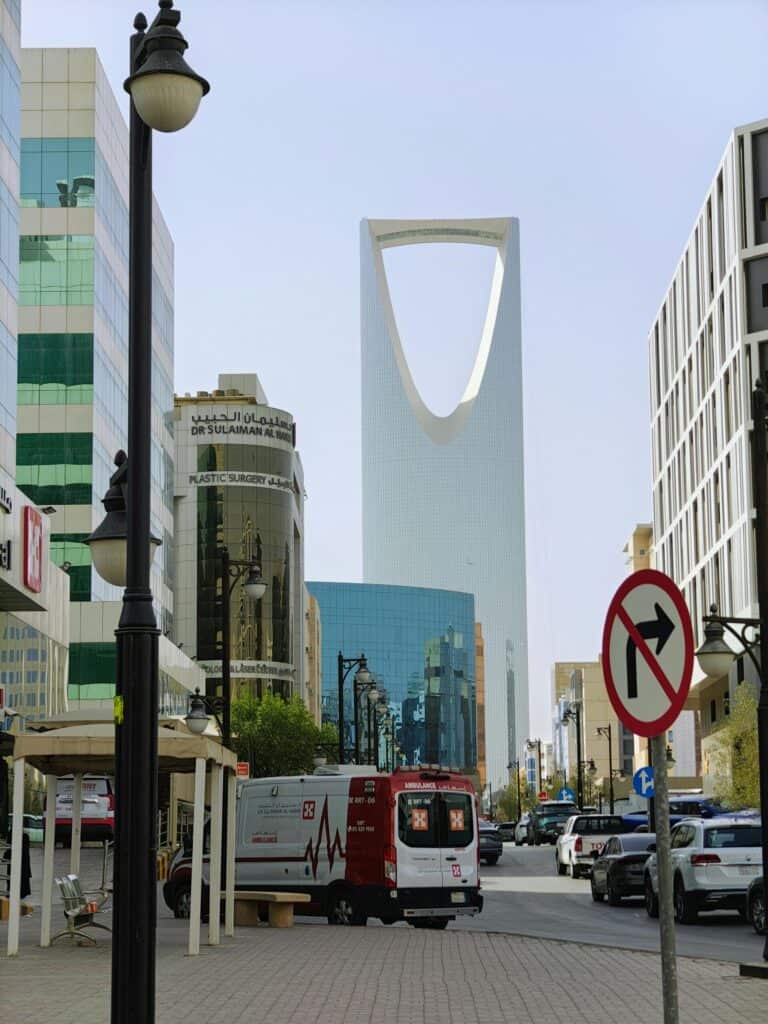
Riyadh is worth considering if you want a Gulf capital that feels more local and less “designed for visitors” than Dubai. It is a modern city, but the experience is different: more business-like, more conservative in tone, and more centered on museums, exhibitions, and big cultural venues than on sightseeing icons.
It also works best seasonally. In the hotter months you will spend most of your time indoors, but that is not necessarily a problem here because the city is built around air-conditioned spaces and large-scale events.
Riyadh makes sense for travelers who enjoy contemporary culture and want to see where the region is heading, but it is not the right base if your trip depends on walkability, coastal atmosphere, or easy outdoor plans. Don’t miss the guide of the things to do in riyadh if you visit the city.
AlUla
AlUla is one of the most distinctive experiences in the region. It is desert scenery with serious heritage, and it feels different from the UAE because the draw is history and landscape, not modern spectacle.
This is also a place where timing matters. AlUla works best when temperatures are not extreme. It is not a destination to “power through” in peak heat. It can also get expensive if you want to stay in or very near the main area, although there are ways to manage that with planning.
Jeddah
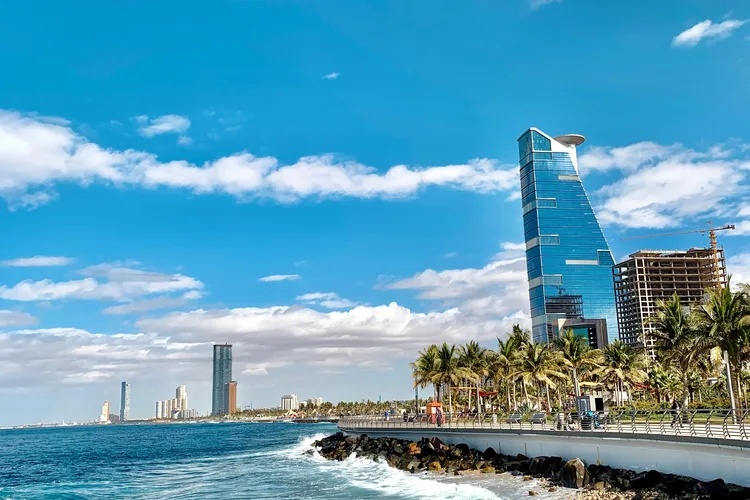
Jeddah is the Saudi city that makes the most sense for many visitors. It has a coastal setting on the Red Sea and a more relaxed, outward-looking feel than people often expect.
It works well if you want a mix of culture, food, and sea time without building your entire trip around the capital. It is also a strong option if you want a city break that feels distinctly different from Dubai, but still modern and comfortable.
The Red Sea Project
Saudi’s Red Sea developments are for travelers who want a quiet, high-end beach trip with strong design and resort comfort. This is not the place for “local life.” It is a controlled environment by definition.
If your UAE trip would have been about luxury hotels, relaxation, and water activities, the Red Sea resorts can offer a similar comfort level, with a different landscape and a calmer feel. The trade-off is price and the fact that it is still a developing destination in parts.
When the UAE still makes sense
Even with more travelers considering alternatives, the UAE remains the best choice in a few clear scenarios.
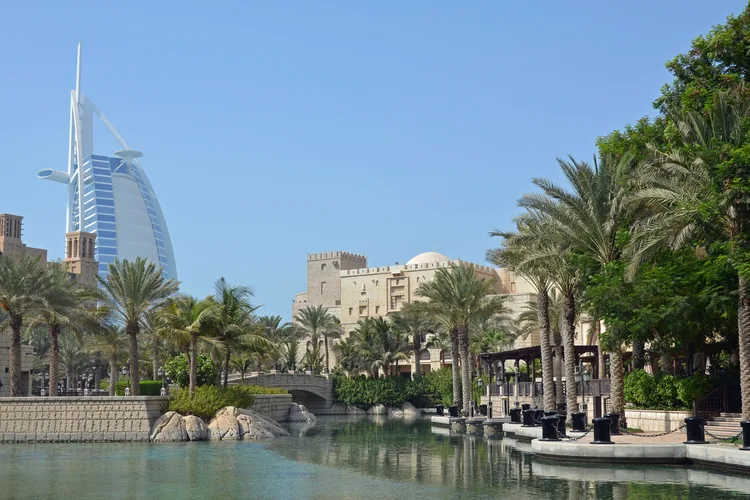
First, infrastructure and logistics. If you want the simplest planning process in the region, the UAE is still hard to beat. Hotel standards are consistent. Transport is easy. Service is reliable. You can do a high-comfort trip with minimal effort.
Second, flight connectivity. Dubai and Abu Dhabi are major hubs. If you are connecting to Asia, Africa, or building a multi-stop itinerary, the UAE can be the most practical anchor.
Third, predictability. Some travelers do not want a destination that is “up-and-coming.” They want a place that is already optimized for visitors. If that is your priority, the UAE makes sense.
If you do choose the UAE, keep it focused. Abu Dhabi is usually a better match for travelers who want culture and calm. Dubai suits travelers who enjoy scale, variety, and high-energy city life.
You can check both lists with map to check what to do in Abu Dhabi and Dubai.
Finally, a practical note that matters right now: if you are choosing between Gulf destinations because of the current regional situation, always check the official travel advice from your own country before booking and again before you fly. Conditions and recommendations can change quickly, even when destinations remain generally safe for visitors.
If you want some destinations out of the Gulf, check this guide with some alternatives to Dubai travel.