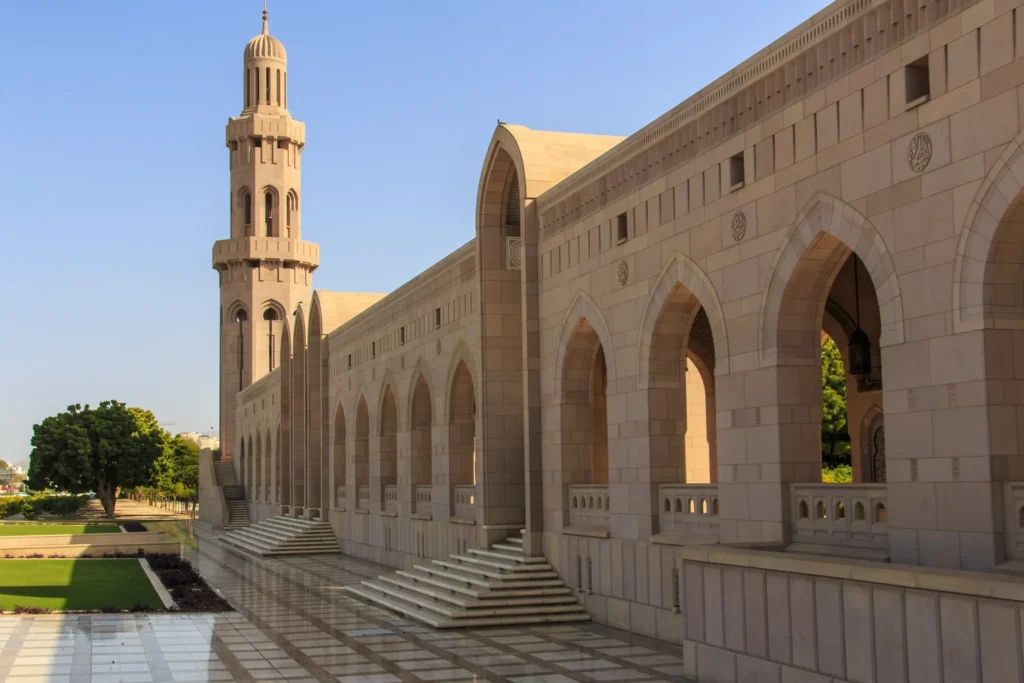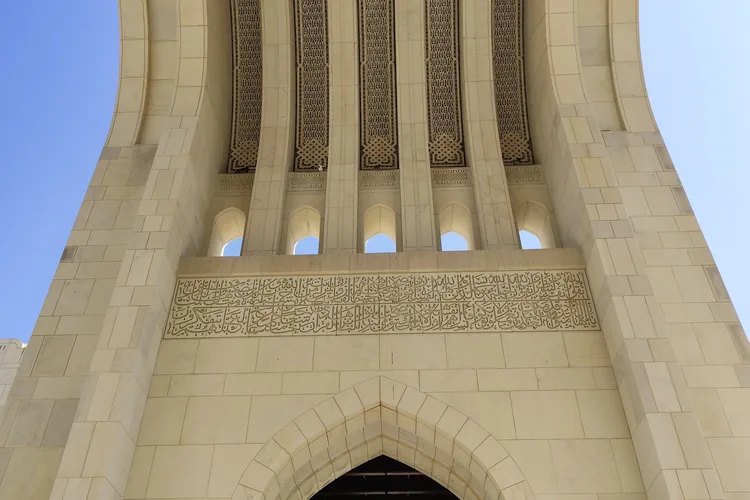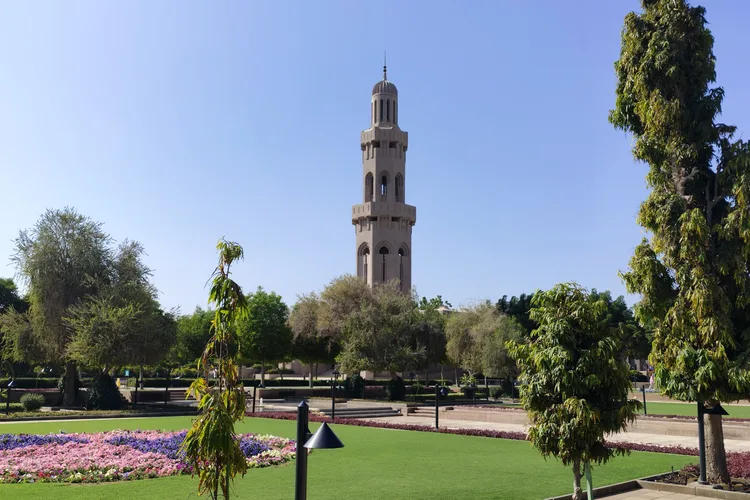
Stop 1: Sultan Qaboos Grand Mosque
This is the one place in Muscat that almost never disappoints. It is not a “quick photo stop.” It is a working place of worship that also happens to be architecturally impressive and unusually welcoming to non-Muslim visitors.
Visiting hours: understand the difference between “the mosque” and “the prayer halls”
Many visitors misunderstand this and arrive at the wrong moment.
- The interior prayer halls have a specific visiting window for non-Muslims, typically in the morning on most days except Friday. The official visitor guidance states a morning window (and asks visitors to respect it).
- The wider mosque complex is not the same thing as the interior halls. You can often spend longer outside in the courtyards, gardens, and surrounding spaces, even if the halls are not open for touring. The key point is that inside access is limited, and the rules exist to protect prayer time.
You asked not to publish the exact time, and that is the right choice. Schedules can shift. Instead, visit the official page and tell them to check it before they go.
Dress code: do not gamble with it
The dress code is enforced. It is not “modest-ish.” It is specific.
The basic standard is:
- Knees covered
- Arms covered to the wrist (or at least full-length sleeves)
- Loose, non-transparent clothing
- Women must cover hair
If someone arrives without appropriate clothing, there is typically a shop/booth at the entrance where visitors can rent or buy suitable items (abayas, scarves, sometimes men’s clothing). That saves people who misplanned, but it is still better to bring your own and avoid the hassle.
A practical detail that improves the experience: wear shoes that are easy to remove. You will take them off to enter the prayer hall areas.
The best part that many tourists skip: the volunteer / information area
After you see the mosque, do not rush out. Look for the area where volunteers speak with visitors. In Muscat, it is common to find people offering calm explanations about the mosque, Islam, and local customs. They often serve Omani coffee or tea and dates, and they are used to questions from first-time visitors.
This is not a sales pitch. It is cultural outreach, and it is one of the most human moments you can have in Muscat in a single day. Sometimes they have books or leaflets, and visitors mention being offered reading material as well.
If you only take one “soft” experience from this itinerary, make it this one. The architecture is impressive, but the hospitality is what stays with people.
Taxi to the Royal Opera House Muscat
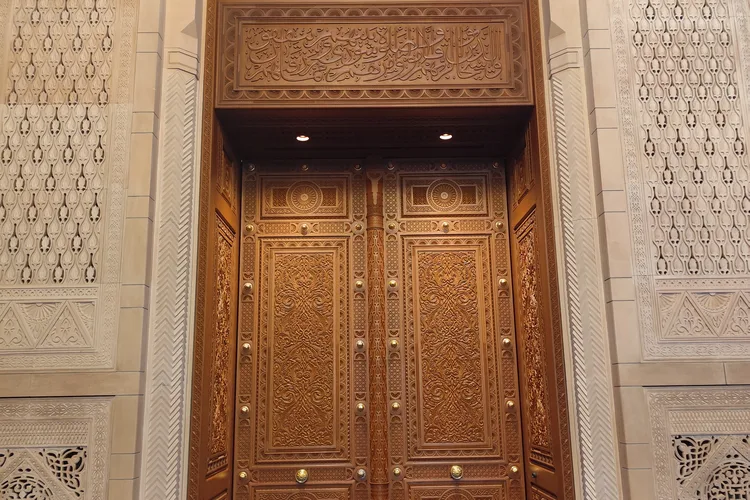
Once you leave the mosque, take a taxi straight to the Royal Opera House Muscat. In Muscat, taxis are the simplest way to move unless you have a rental car. The ride is short and straightforward, and it keeps your day efficient.
(If you want more control, app-based taxis are common in Muscat. But a normal taxi is usually fine but it could be more expensive specially because of the location.)
Stop 2: Royal Opera House Muscat
The Royal Opera House is modern (it opened in 2011) and it feels like it. This is not an “old world” building. It is a statement: Oman invests in culture, wants international performances, and wants locals to have access to them.
Buy a ticket, then join a guided tour
Do not just wander. The best way to visit is to buy the entry ticket and then wait for a guided tour slot. The official site frames house tours as the core visitor experience, and tours run within the normal daytime opening hours on most working days.
The tours are not long, and that is fine. You do not need two hours here. What you want is:
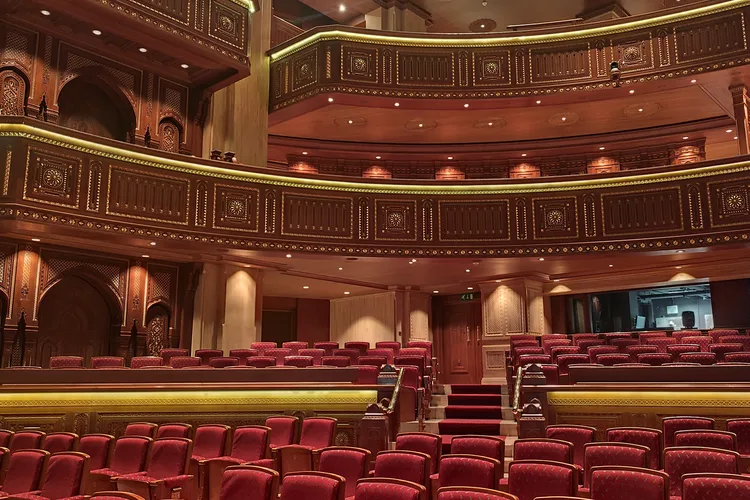
- a clear look at the main auditorium spaces,
- the design details (woodwork, symmetry, Omani motifs),
- and a short explanation of how the venue operates.
It is a controlled building, so follow the staff’s instructions on where you can and cannot take photos.
After the tour: ask for the Exhibition of Musical Arts and the Music Library
This is the extra that many visitors miss because it is not always obvious from the main flow.
On the opera house website, both the Exhibition of Musical Arts and the Music Library are listed as part of the Royal Opera House Muscat experience. In practice, you often need to walk a bit to reach them, and signage is not always enough. The simple solution is to ask staff for directions right after your tour ends.
If you are the type of traveler who likes context, these spaces add it. They make the opera house feel less like a photo opportunity and more like a cultural institution.
If you have time: stay for a performance
This is the part that can turn a “good day” into a memorable one.
The Royal Opera House runs a calendar of performances that includes international productions and regional programming. If you happen to be in Muscat on the right night, consider buying a ticket. Compared with ticket prices in many European capitals, it can feel surprisingly accessible for the setting and the venue.
Also, because the building is modern, it is comfortable. You are not sitting in a beautiful but punishing historic hall. You can actually enjoy the evening without feeling like you are enduring it.
Bottom line
For muscat in 1 day, this is a high-quality itinerary with low friction. The mosque gives you scale, craft, and a rare kind of visitor welcome. The opera house shows you the modern cultural ambition of Oman, and it works even if you are not an opera person.
If you do only two stops in Muscat, these are the two. In case you have more time in Muscat, here you can find the 2-days itinerary and the 3-days itinerary.