Day 1: Grand Mosque & Royal Opera House Muscat
Morning: Sultan Qaboos Grand Mosque (start early)
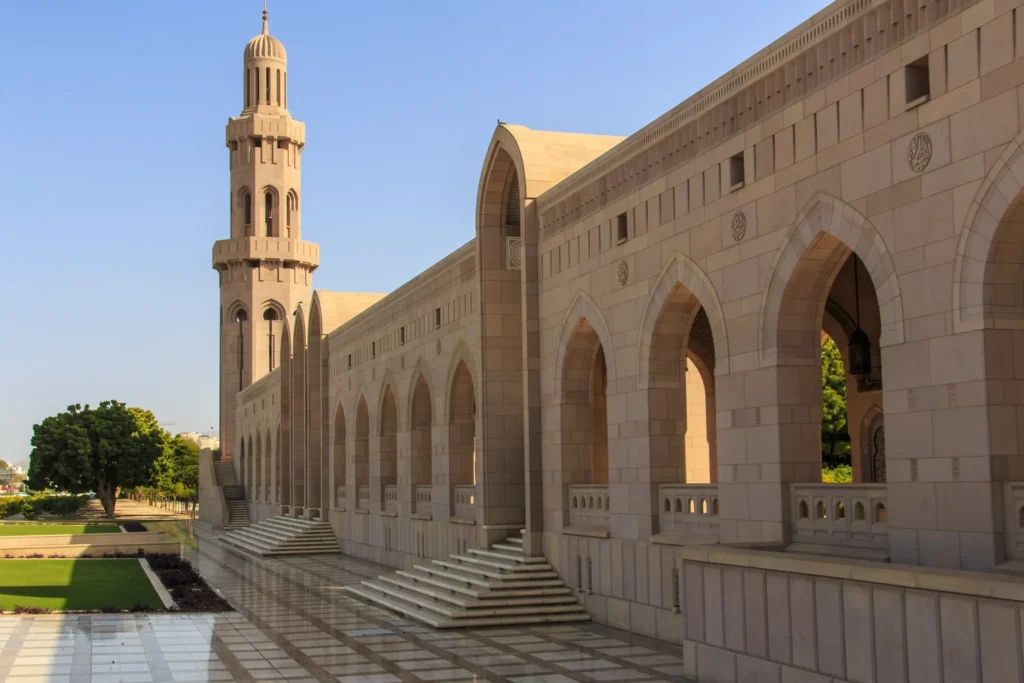
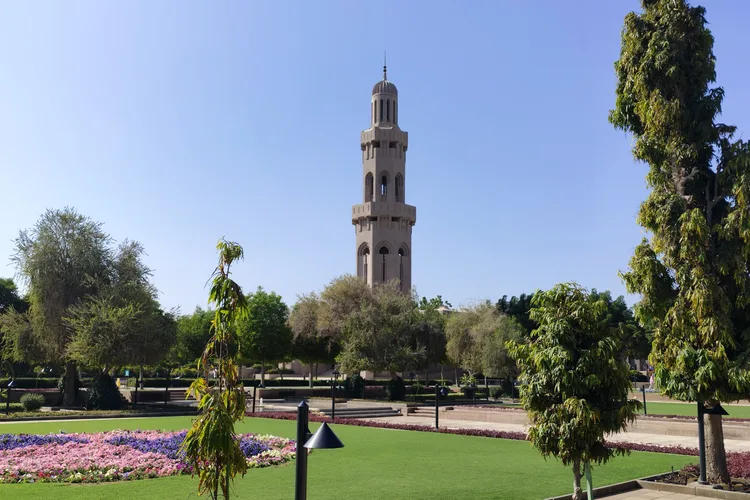
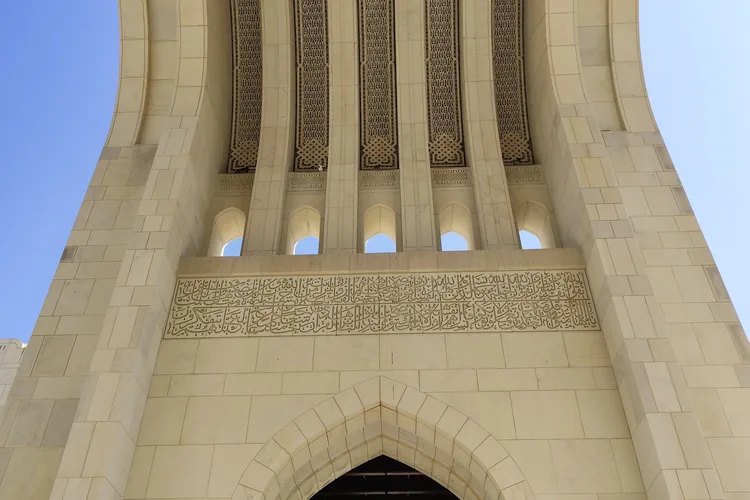
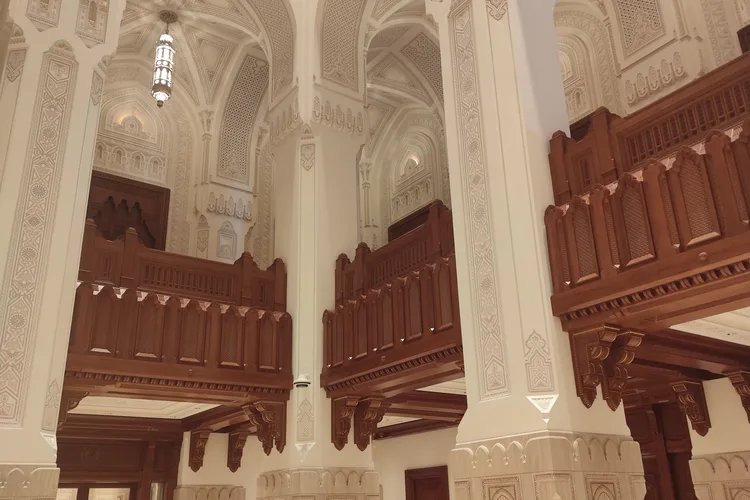
The Grand Mosque is the one place in Muscat that feels unmissable. The building is impressive, but the bigger point is that it is a working mosque that still makes space for respectful visitors.
Arrive early because the visitor window for non-Muslims to enter is limited and closes mid-morning. The official visitor guidance states non-Muslim visits are allowed (except Fridays) from 8:30 to 11:00.
Don’t guess the schedule. Tell readers to check the official site before they go, because changes happen around religious periods and events.
Dress code (do not improvise)
The dress code is strict enough to ruin a visit if you get it wrong. Expect:
- modest, loose clothing
- arms and legs covered
- women must cover hair
If someone arrives unprepared, there is typically a shop at the entrance where visitors can get suitable clothing (useful, but it costs time and it is avoidable if you pack properly).
The quiet highlight: the volunteers
After the interiors, stay a little longer. Many visitors are approached by volunteers who answer questions about the mosque, Islam, and daily life in Oman. This is one of the few places where you can ask honest questions in a calm setting and get thoughtful answers. People often mention being offered tea/coffee and dates, and sometimes books or leaflets.
One detail worth making clear: the limited hours are for entering the interior halls, not for the whole mosque complex. You can usually spend more time outside, taking photos and walking the courtyards, even when the halls are not open for touring.
Midday to afternoon: taxi to Royal Opera House Muscat
Once you leave the mosque, the easiest move is simple: take a taxi straight to the Royal Opera House Muscat. It keeps the day efficient and avoids the slow friction of Muscat transport.
The Opera House is open to visitors on working days and is designed for guided visits. The official House Tours page lists visiting days (Saturday–Thursday) and working hours (8:30–5:30).
Wait for the guided tour (it is the point)
Do not treat the Opera House like a building you “look at quickly.” The guided tour gives the context: architecture, function, and how the spaces are used.
After the tour: the two extras many people miss
With your entry, you can also visit the Exhibition of Musical Arts and the Music Library, but they are not always obvious from the main flow. Ask staff where they are and be ready to walk a bit to reach them. The Opera House lists the Exhibition as a visitor offering and gives its opening hours separately (10:00–16:00, Saturday–Thursday).
Optional evening: stay for a performance
If your timing works and there is a performance that night, it is worth checking the calendar. The venue hosts international and regional programming, and it often feels more accessible than opera in many European capitals simply because the pricing and the building are modern and comfortable.
Day 2: Mutrah & Old Muscat (a simple Muscat city tour)
Day 2 is where Muscat starts to feel like itself. Mutrah is not “old-world pretty” in a polished way. It is working, salty, crowded in parts, and better for it.
Morning: Mutrah Souq (go for the right things)
Mutrah Souq is the classic market stop in Muscat. It is a maze-like covered souq, and it is best approached with a short shopping list, otherwise you’ll waste time.
The strongest buys here are:
- spices and incense (including frankincense and oud-related scents)
- scarves (cashmere/silk blends are common)
- perfumes and attars
If you care about value and authenticity, do two simple things:
- Ask for the fabric composition if you are buying “cashmere” or “silk.” In tourist souqs, labels can be optimistic.
- Walk deeper into the side lanes, not only the main arteries. The main corridor is where prices drift upward fastest.
This is also not a place to be shy about bargaining. It is part of the routine, especially for textiles and souvenirs.
Late morning: Mutrah Fort (bring water, accept the stairs)
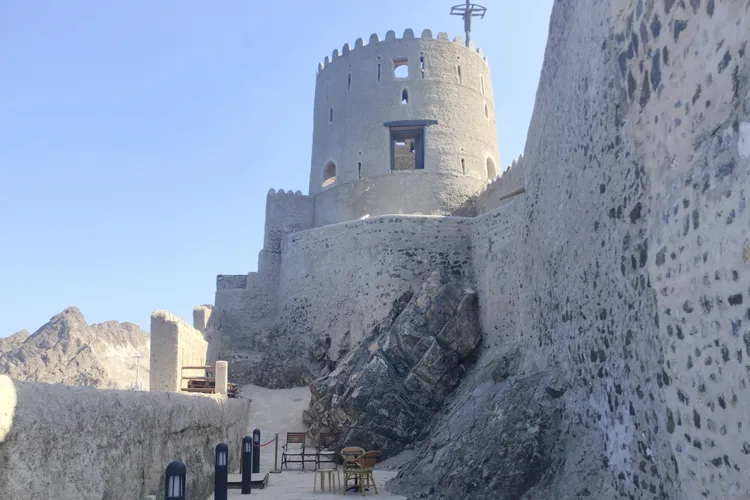
From the souq area, head to Mutrah Fort. It is an easy add-on because it sits above the waterfront and gives you the best overview of the area.
Two practical truths:
- There are a lot of steps, and it gets hot.
- You will be glad you brought water.
The fort’s official site lists generous opening hours (daily, 8:00–23:00) and separate ticket pricing for residents and non-residents.
Even if you are not a “fort person,” the view is the payoff.
Lunch: Mutrah Corniche (simple food, strong views)
After the fort, do what locals and visitors naturally do: walk the Mutrah Corniche and eat somewhere facing the water. The Corniche is widely described as clean and comfortable for walking, and it is one of the nicest “low effort” parts of Muscat—especially later in the day when the light softens.
This is not the place for a “destination restaurant.” It is the place for a calm meal with a view and a reset before the afternoon.
Afternoon: National Museum Oman (go earlier than you think)
The National Museum Oman is the most useful museum in the city for first-time visitors because it gives structure to everything you are seeing outside: history, identity, maritime Oman, and the modern state.
Do not leave it too late. The museum’s official working hours are 10:00–17:00, and the ticket desk closes at 16:30.
That closing time arrives faster than expected if you linger at the souq and the Corniche.
Late afternoon: walk to Al Alam Palace (outside view only)
From the National Museum, walk toward Al Alam Palace. This is a good sequence because it feels like a natural transition from “history explained” to “power displayed.”
Al Alam Palace is not a palace you tour. Visitors cannot go inside, but it is worth seeing from the outside because the setting is clean, formal, and visually distinctive.
It is a short, satisfying final stop: you take your photos, you absorb the atmosphere, and you end the day without rushing.
Bottom line
This muscat itinerary 2 days gives you a clean split: modern cultural ambition on Day 1, and the old waterfront soul of the city on Day 2. It is not a long checklist. It is the parts of Muscat that actually leave an impression—and it is doable without exhausting yourself. Here you can find itineraries for 1 and 3 days.