One Day in Cairo: Focus on Giza
If you only have one day in Cairo, don’t try to see everything.
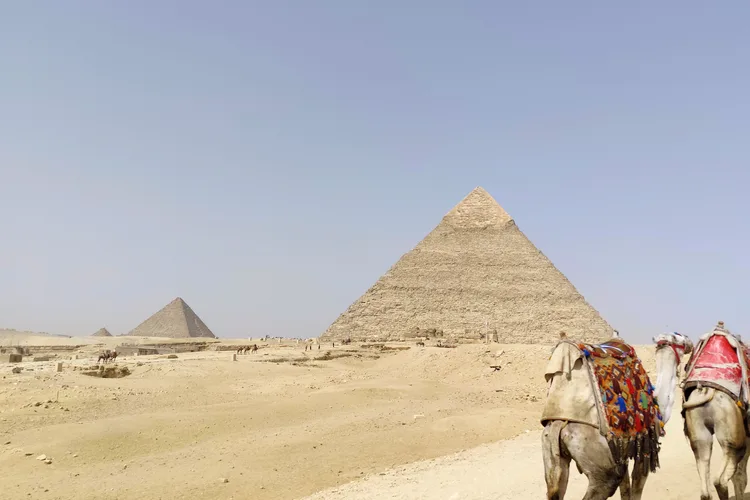
Spend the entire day in Giza.
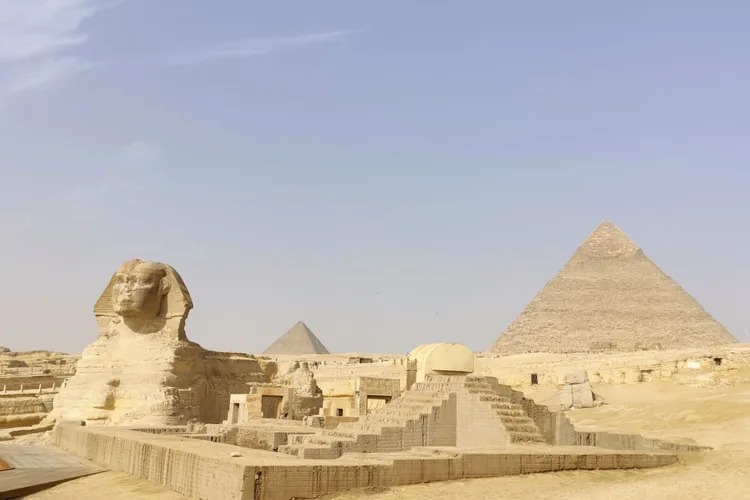
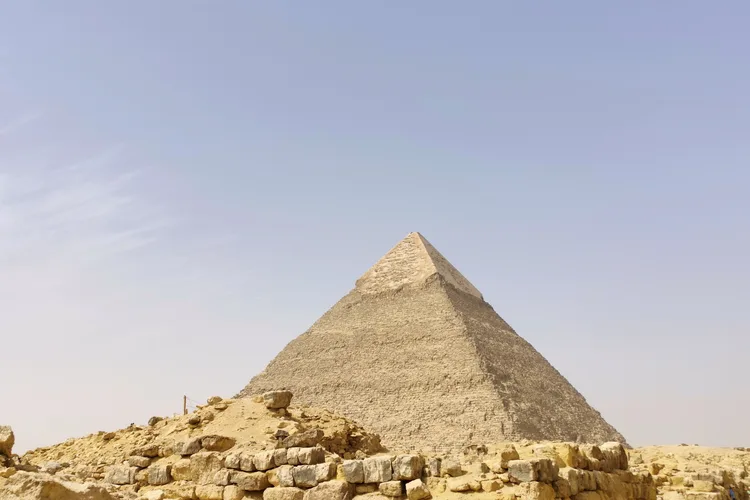
Start your morning at the Pyramids of Giza, ideally with a guide. I genuinely think this is one of the few places in Egypt where hiring a guide completely transforms the experience. Understanding the history behind the pyramids makes visiting the Grand Egyptian Museum much more rewarding later in the day.
I’ll leave here the guide I joined, which I thought was excellent.
After finishing at the pyramids, take an Uber to the Grand Egyptian Museum. Although the two attractions are very close, I wouldn’t recommend walking. The roads aren’t designed for pedestrians and the Uber ride is inexpensive.
Have lunch inside the museum complex before exploring the galleries during the afternoon.
To finish the day, I’d recommend arranging your transport back to the hotel in advance. Uber can be unreliable outside the museum because many drivers try to negotiate higher prices with tourists after they leave.
If you only have one day in Cairo, this is the itinerary I’d recommend without hesitation.
Two Days in Cairo: Add Islamic Cairo
With a second day, I’d leave Ancient Egypt behind for a while and explore a completely different side of the city.
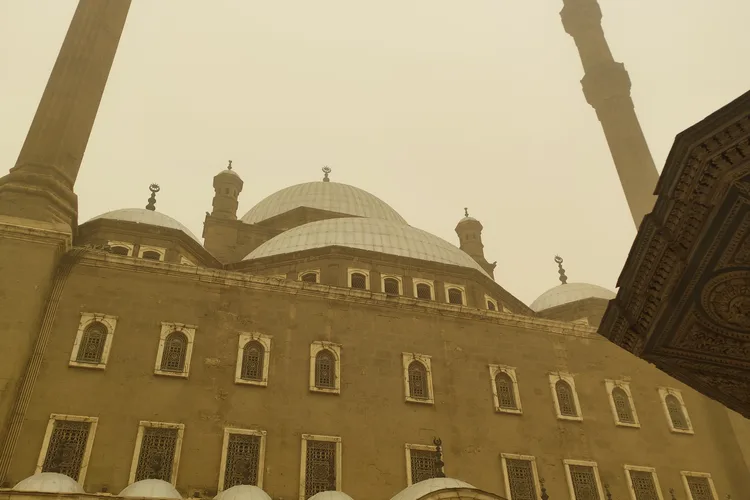
Start your morning at the Cairo Citadel, where you’ll find several of Cairo’s most important mosques inside the same complex, including the impressive Mosque of Muhammad Ali and the historic Mosque of Sultan Al-Nasir Muhammad. The National Military Museum is also included with your ticket and is worth a quick visit if you still have time.
As with Giza, I think visiting with a guide makes a huge difference because the Citadel brings together centuries of Egyptian history in one place.
I’ll also leave here the walking tour I joined, which I thought offered excellent value.
From there, continue to the Museum of Islamic Art, one of Cairo’s most underrated museums. It helps put everything you’ve seen during the morning into context without taking too much time to explore.
Have lunch nearby before heading to Khan el Khalili for the afternoon.
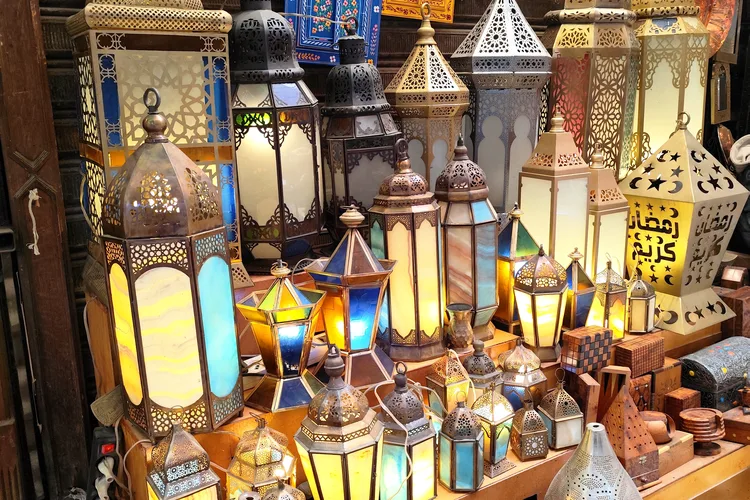
Although it’s Cairo’s most famous bazaar, I wouldn’t recommend doing much shopping on the main streets. Most shops are aimed almost entirely at tourists and prices are considerably higher than they should be.
If you do want to buy souvenirs, head inside one of the indoor bazaars and walk upstairs. The second floor often has much more reasonable prices, and you’ll need to negotiate far less than in the busiest parts of the market.
Spend the rest of the afternoon wandering through the narrow streets, visiting historic mosques and finishing the day with dinner at one of the traditional restaurants inside the neighbourhood.
Three Days in Cairo: Discover Coptic Cairo
If you have a third day, I’d recommend slowing the pace down a little.
Coptic Cairo is smaller, quieter and much less visited than either Giza or Islamic Cairo, but it offers a completely different perspective on Egypt’s history.
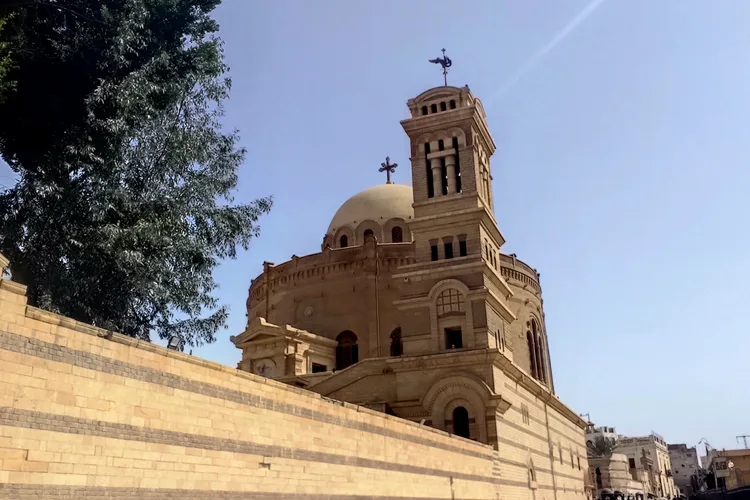
Spend the morning exploring its historic churches, including the Hanging Church, the Church of Saints Sergius and Bacchus and the Church of Saint George, all connected by peaceful pedestrian streets built around the remains of the ancient Roman fortress.
One advantage is that entering Coptic Cairo is completely free, making it one of the easiest areas of the city to explore without planning too much in advance.
I’d also recommend having lunch here before continuing your day.
Afterwards, take a short Uber ride to the National Museum of Egyptian Civilization.
Although it has nothing to do with Coptic history, the two attractions are close enough to combine into a single day.
The museum’s biggest highlight is the Royal Mummies Hall, where you’ll see the preserved remains of some of Egypt’s most famous pharaohs.
If you’re not travelling south to Luxor, this is the best opportunity you’ll have to see royal mummies during your trip.
Four Days in Cairo: Visit Saqqara, Dahshur and Memphis
With four days in Cairo, I’d dedicate the last one to exploring some of Egypt’s oldest archaeological sites.
Book a small-group tour or hire a guide for the morning.
This is exactly what I did, and it’s still one of my favourite excursions around Cairo.
I’ll leave the tour here because I thought it was exceptionally well organised.
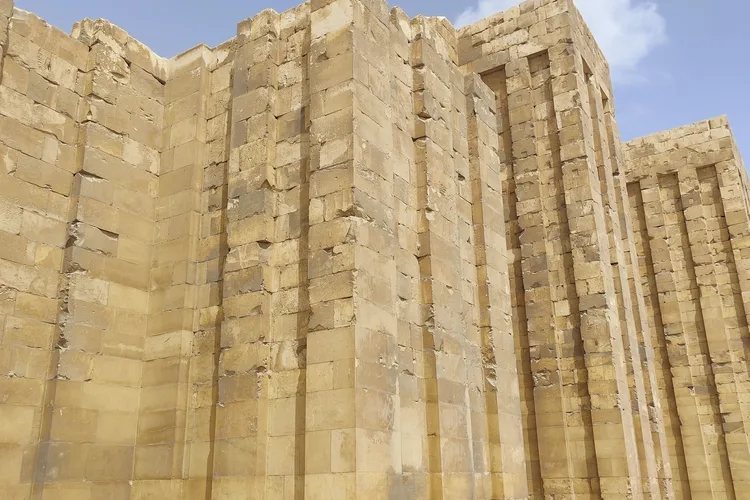
The itinerary usually includes Saqqara, Dahshur and Memphis, taking around five to six hours in total.
Saqqara is where you’ll discover the origins of pyramid building.
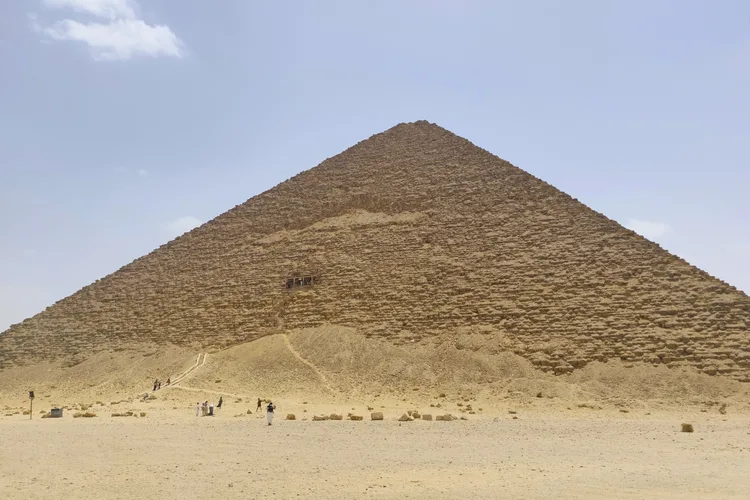
Dahshur is where I’d recommend entering a pyramid instead of doing so at Giza.
Memphis is the least impressive stop, but it’s still worth seeing briefly since it’s included in almost every tour.
You’ll normally be back in Cairo by early afternoon, leaving plenty of time to relax after four busy days of sightseeing.
Is Five Days in Cairo Too Much?
Not at all.
In fact, Cairo is one of those cities where you could easily spend a week without running out of things to do.
The difference is that after four days, your trip becomes much less about ticking off famous attractions and much more about experiencing the city itself.
You could take a day trip to Alexandria, a Mediterranean city with a completely different atmosphere that’s easily reached by train or bus.
You could spend an evening sailing along the Nile on a traditional felucca at sunset.
Or simply slow down and enjoy neighbourhoods that rarely appear in standard itineraries.
One of my favourites is Downtown Cairo.
It’s full of historic cafés, rooftop terraces, traditional bakeries and beautiful old buildings that remind you how cosmopolitan the city once was. Sitting in one of its cafés with Egyptian coffee and local pastries is one of the nicest ways to experience everyday life in Cairo.
I’d also recommend spending time in Zamalek.
Located on an island in the Nile, it’s one of Cairo’s most pleasant neighbourhoods, filled with art galleries, independent cafés, restaurants and some of the city’s best nightlife.
The Cairo Tower is also here, but honestly, I don’t think it’s worth your time. The neighbourhood itself is far more interesting than the observation deck.
If you stay for five days, this is the side of Cairo you’ll start to discover.

Where Should You Stay in Cairo?
For a first visit, I think there are only two areas worth considering.
If you want to be close to most attractions, guided tours and transport connections, I’d stay in Downtown Cairo.
Many private tours and walking tours begin around Tahrir Square, making the area particularly convenient if you don’t want to spend your mornings crossing the city.
If you’re looking for something quieter, greener and slightly more upscale, choose Zamalek.
Hotels tend to be more expensive, but the atmosphere is calmer, there are excellent restaurants and cafés, and it’s one of the nicest areas to return to after a busy day exploring Cairo.
Final Verdict: How Many Days Should You Spend in Cairo?
If you only have one day, spend it entirely in Giza.
With two days, add Islamic Cairo.
Three days gives you enough time to explore Coptic Cairo and visit the National Museum of Egyptian Civilization.
Four days lets you discover Saqqara and Dahshur without rushing.
And if you’re lucky enough to have five days, stop thinking about monuments for a moment.
Spend some time enjoying Cairo itself.
Because beyond the pyramids, museums and historic neighbourhoods, that’s where the city really begins to surprise you.