1. Ancient Egypt Highlights
Giza Pyramids and Sphinx (how to do it without wasting your day)
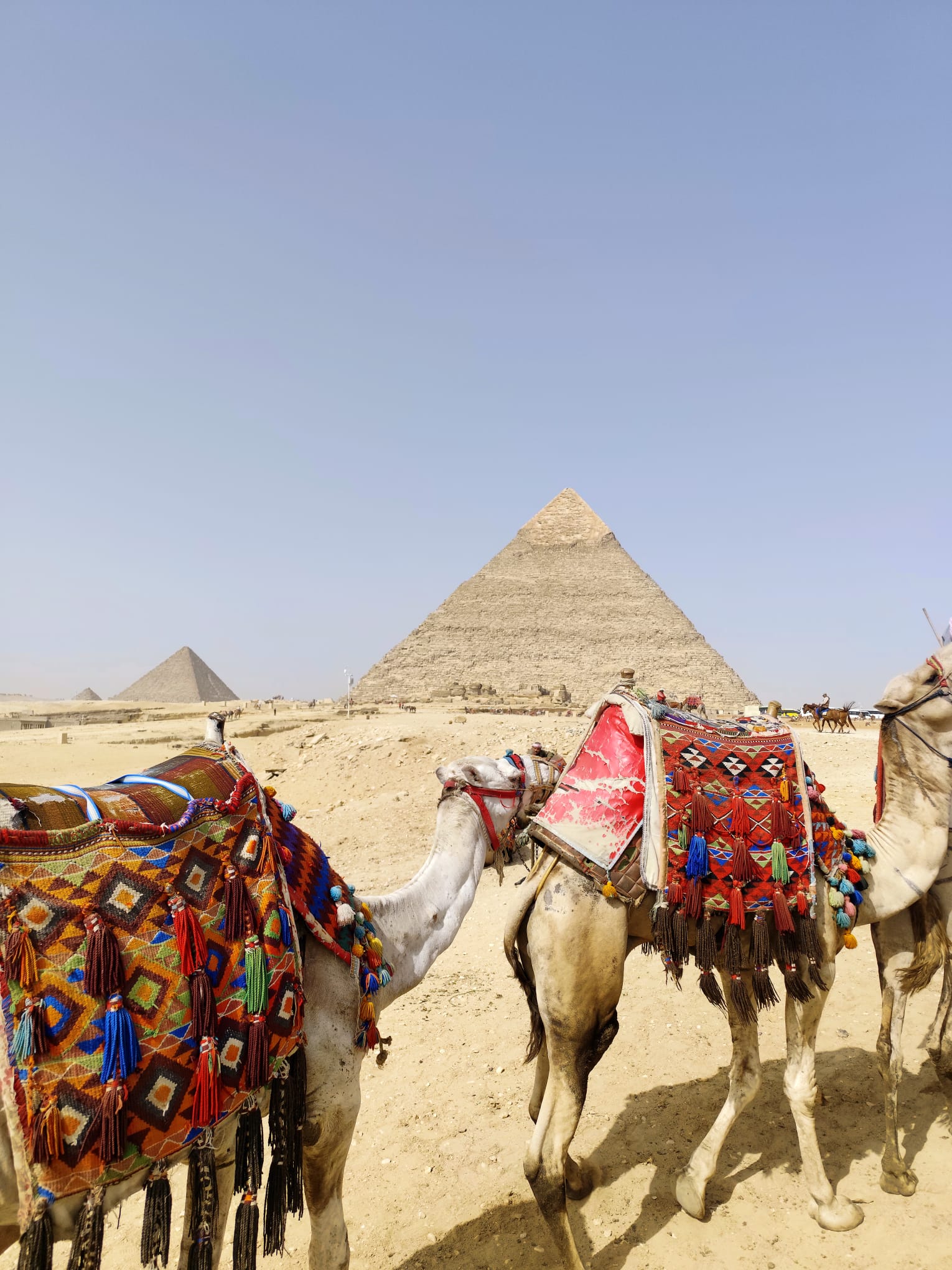
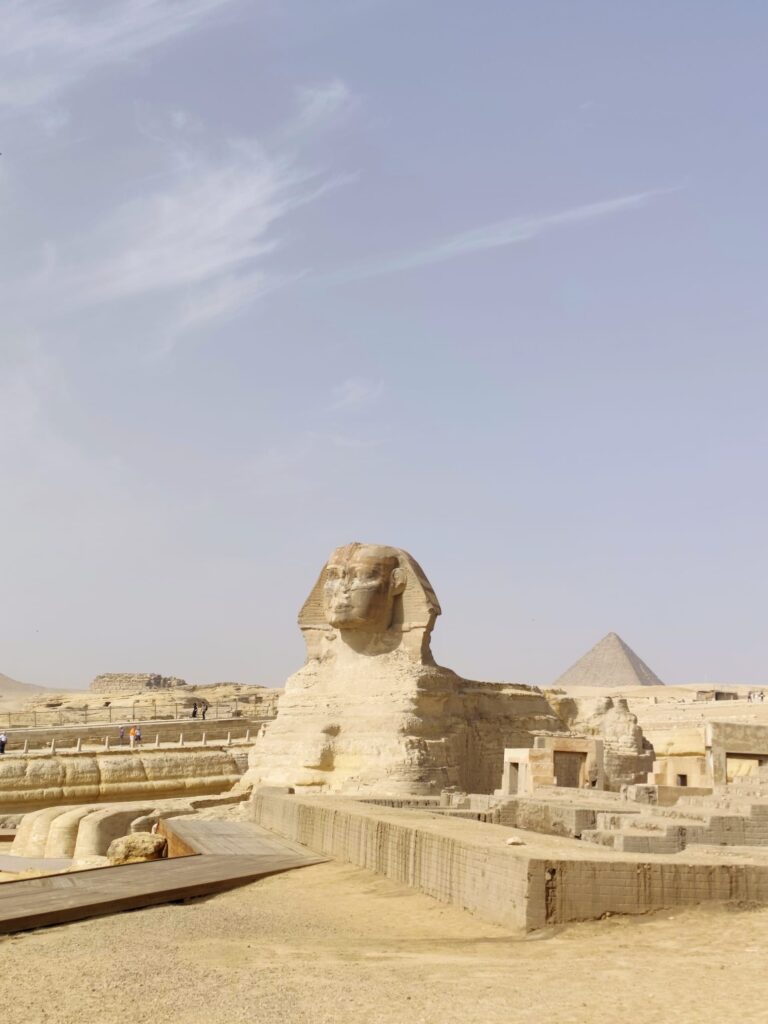
Giza is the classic stop and, yes, it is worth seeing. But it is also one of the most expensive places you will visit in Egypt, and it can feel overcrowded and overly commercial compared with almost anywhere else in the country. The smart way to do it is to bundle it with the Grand Egyptian Museum (right next to the plateau) and use a guide, because you get context and you waste less time on the ground. One practical tip: for most travelers, going inside the Great Pyramid is not worth it. It is physically uncomfortable, it can feel claustrophobic, and the “payoff” inside is limited unless you are very into the engineering side.
Saqqara + Dahshur + Memphis (quieter, better value, and more complete)
If you want a pyramid day that actually feels calm, Saqqara and Dahshur are the best counterweight to Giza, and you should add Memphis if you are doing the route anyway. These sites are often far less crowded, the entry tends to be much cheaper, and the experience is more varied: you get earlier pyramids (less “perfect” from the outside, but historically fascinating), plus tombs that make the day feel more complete than “pyramids only.” This is also where going inside a pyramid can be worth it, because you are not shuffling through a packed queue. You can take your time, move at your own pace, and it feels more like exploration than endurance. The trade-off is real, though: the road out there can be rough and bumpy, so the day is easier with a patient driver (or a private tour) and modest expectations about comfort on the way.
Luxor (East Bank vs West Bank: do both, but do it with structure)
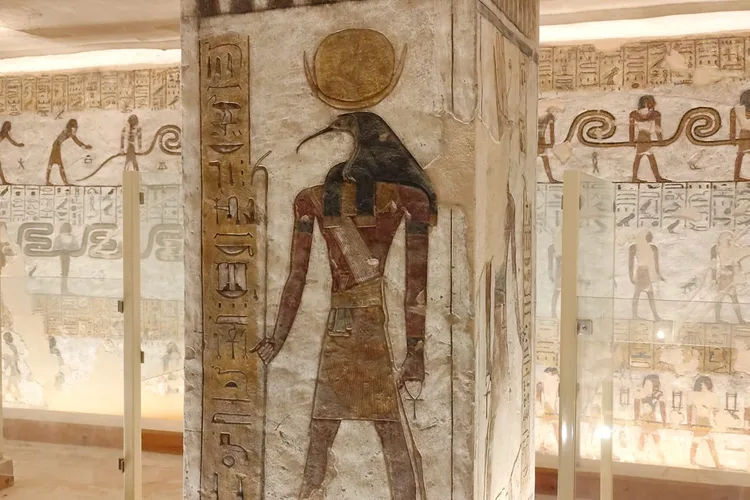
Luxor is where Ancient Egypt stops being a concept and becomes overwhelming in the best way. The East Bank is temple scale and grandeur, especially the big complexes like Karnak and Luxor Temple, which are about columns, processional routes, and sheer size. The West Bank is where you go for tombs and the afterlife narrative: Valley of the Kings is the headline, and you can add a major mortuary temple (most people pick Hatshepsut’s temple because it is visually distinctive and easy to understand on-site).
Aswan (slower pace, stronger reset after Luxor)
Aswan is a change of rhythm. It is slower and it tends to feel less aggressive than Cairo or Luxor. For most travelers, the best Ancient Egypt anchors here are Philae Temple (one of the most satisfying temple visits because it is scenic and straightforward) and a small dose of Nubian culture (worth doing carefully, because some experiences feel staged). Aswan also works well as a base because it lets you recover a bit before you commit to the bigger effort trips nearby.
Abu Simbel (high effort, high payoff, and visually different from Luxor)
Abu Simbel is not a casual add-on, but if you have the time and energy, it often becomes the moment people remember most. The temples are genuinely dramatic, and the setting by Lake Nasser gives you a different kind of landscape than Luxor—wider, more open, and more “edge of the world.” It is the kind of place that feels worth the long approach if you care about monumental architecture and you want to see something that looks and feels distinct from the Nile Valley temple circuit. If your trip is tight or you struggle with long day logistics, this is the one you might skip first—but for many travelers, it is the payoff stop.
2. The Nile
Nile cruise: worth it if you want comfort, but not flexible
Most Nile cruises run between Luxor and Aswan, and they are built for travelers who want comfort and low planning effort. The trade-off is price and control. In real life, the cruise schedule is often very tight: fixed wake-ups, fixed excursion slots, and a constant feeling of moving on someone else’s clock. If you are the type of traveler who hates being rushed, it can feel like you are “on a program” when you are supposed to be on holiday. That is why I do not consider it an automatic recommendation. For a similar budget, you can often stay in good hotels in Luxor, visit the sites at a more human pace, and then move to Aswan by flight (fast and easy) or by road if you are fine with longer transfers. The cruise is still a classic experience, but you should choose it because you want the boat rhythm, not because you think it is the only good way to see the Nile.
Felucca sailing (best as a Cairo add-on, especially at sunset)
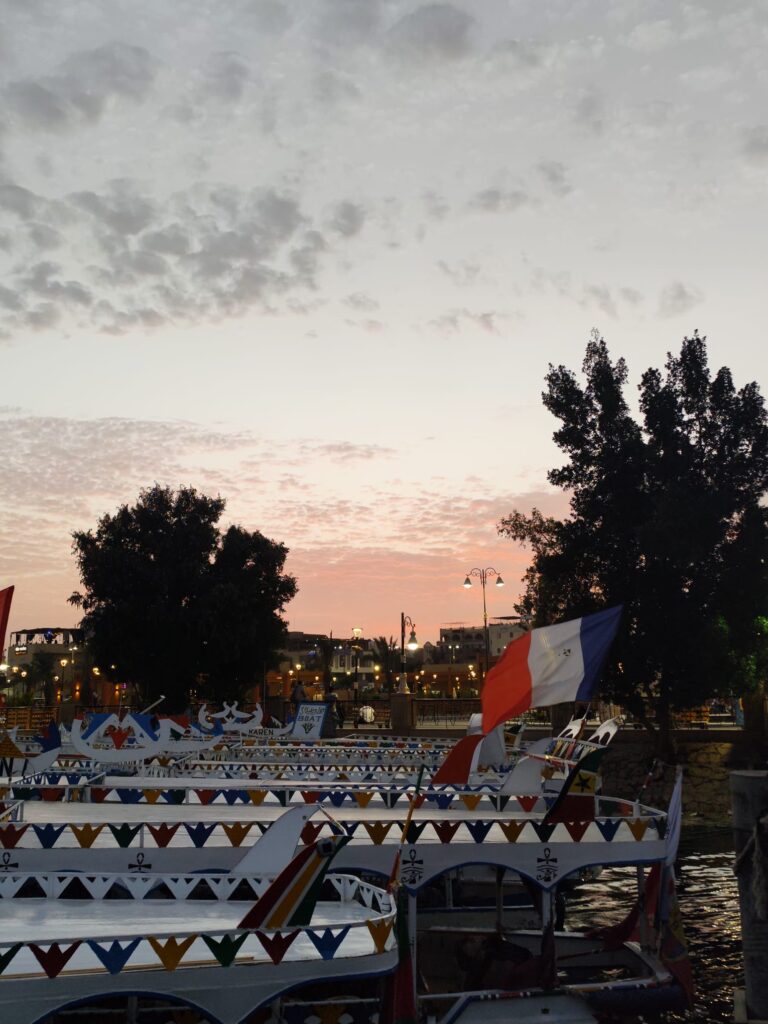
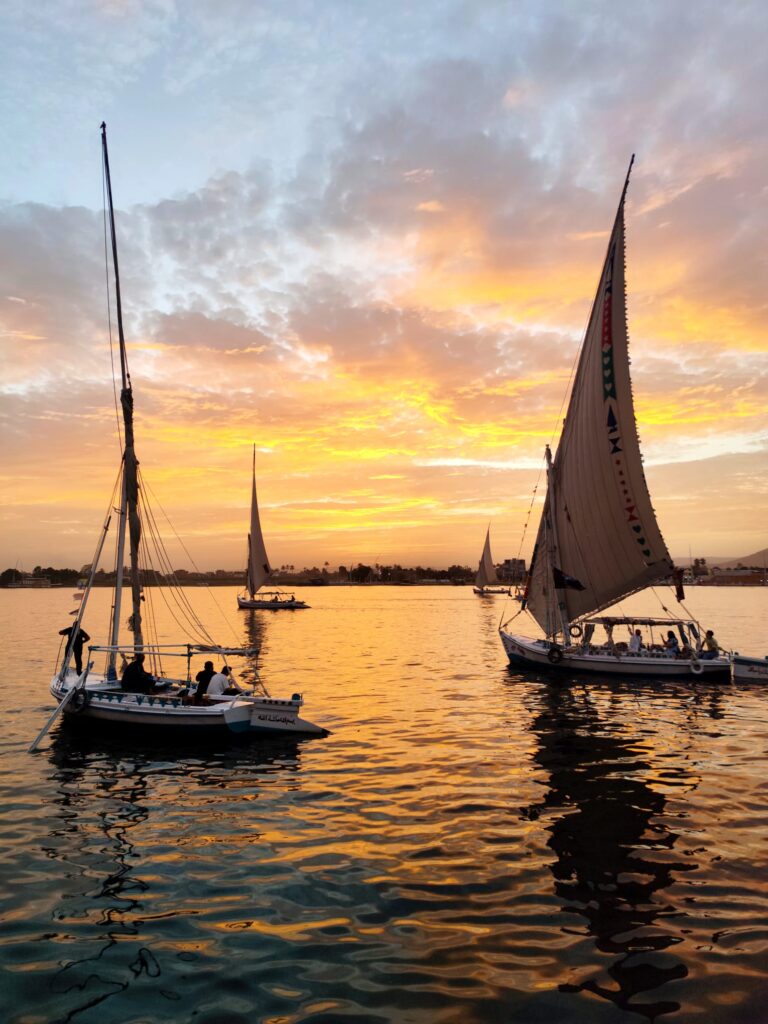
A felucca is the traditional sailboat you see on the Nile, and it is one of the simplest ways to get a calm, beautiful river moment without committing to a multi-day plan. Many visitors book it in Cairo as an easy add-on (often with hotel pick-up), and it works best around sunset, when the city shifts into evening and the skyline along the river starts to glow. The views are the point here: you get water, breeze, and a softer side of Cairo that you do not feel in traffic. Do not expect luxury. Think of it as a short reset that adds atmosphere to a city that can otherwise feel intense.
3. The Red Sea
Hurghada (easy base, strong water days, mixed quality)
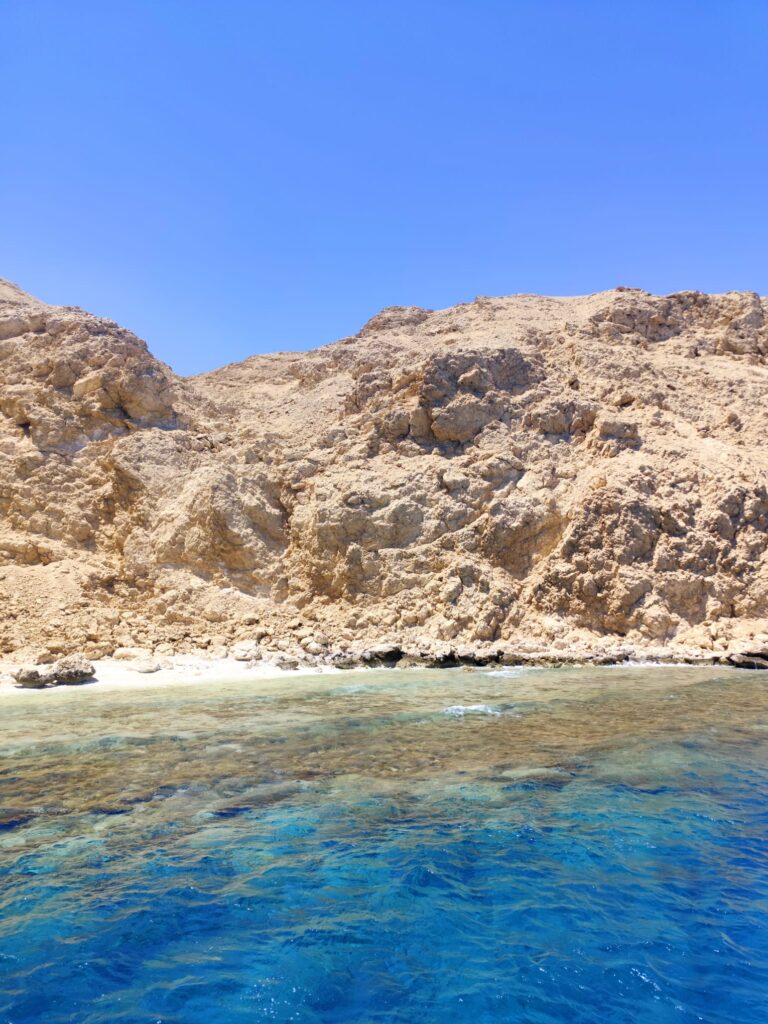
Hurghada is the easiest Red Sea default: resorts, boat operators, and a lot of ready-made snorkeling and diving days. It has a mixed atmosphere. You can still find something that feels relatively “normal,” but there are also areas that feel heavily tourist-built, especially around Hurghada Marina, where the vibe can become a bit too packaged. The best version of Hurghada is not the promenade. It is the day trips: getting out to the water, doing snorkeling, or visiting islands that give you a cleaner, more open Red Sea feeling than the town itself.
Sharm El Sheikh (resort, efficient, not very “Egypt”)
Sharm is more of a resort bubble than Hurghada. It is comfortable, organized, and designed around visitors who want diving and snorkeling infrastructure without friction. The downside is that it can feel disconnected from Egyptian daily life. If your priority is water activities and you like your travel to feel controlled and easy, Sharm makes sense. If you want atmosphere and local texture, it can feel flat.
El Gouna (polished and very expensive, but low-stress)
El Gouna is also fully resort, with almost no local life feel, and it is often shockingly expensive—not only by Egyptian standards, but even compared with many Western cities. Meals, weekends, and casual outings can add up fast. What you get in return is a place that feels unusually clean, organized, and safe, with a “made for the tourist” finish you do not find in most of Egypt. If you want a low-stress Red Sea break and you are fine paying for it, El Gouna delivers. If you want value, it is a poor choice.
Dahab (relaxed, smaller, and a serious freediving spot)
Dahab is smaller, more relaxed, and generally better for independent travelers who want a simple coastal vibe rather than a full resort program. It is especially known for freediving, and it attracts a younger crowd and people who want the sea to be part of the day, not an organized activity slot. Comfort is simpler than in Sharm or El Gouna, but the atmosphere is often the reason people pick it.
4. Cairo Beyond the Pyramids
Islamic Cairo (the city’s best atmosphere when done right)
This is where Cairo feels most “Cairo”: dense streets, minarets, craft shops, and a sense of history that is still lived in. The easiest anchor is Khan el-Khalili, but it is only worth your time if you treat it as a place to walk and browse, not a place where you will magically get good deals (tourist pricing and sales pressure are normal). For monuments, build your route around a few strong stops instead of trying to “collect” mosques: Al-Azhar Mosque (often written Al-Azhar), the Mosque–Madrasa of Sultan Hassan, and the Mosque of Muhammad Ali inside the Cairo Citadel. The Citadel itself is a sensible add-on because it sits right there and gives you scale, views, and context in one place. If you want one museum in this lane, the Museum of Islamic Art is a smart choice because it is usually calmer than the big ancient-Egypt museums and the collection is genuinely strong.
Coptic Cairo (short, structured, and best paired with NMEC)
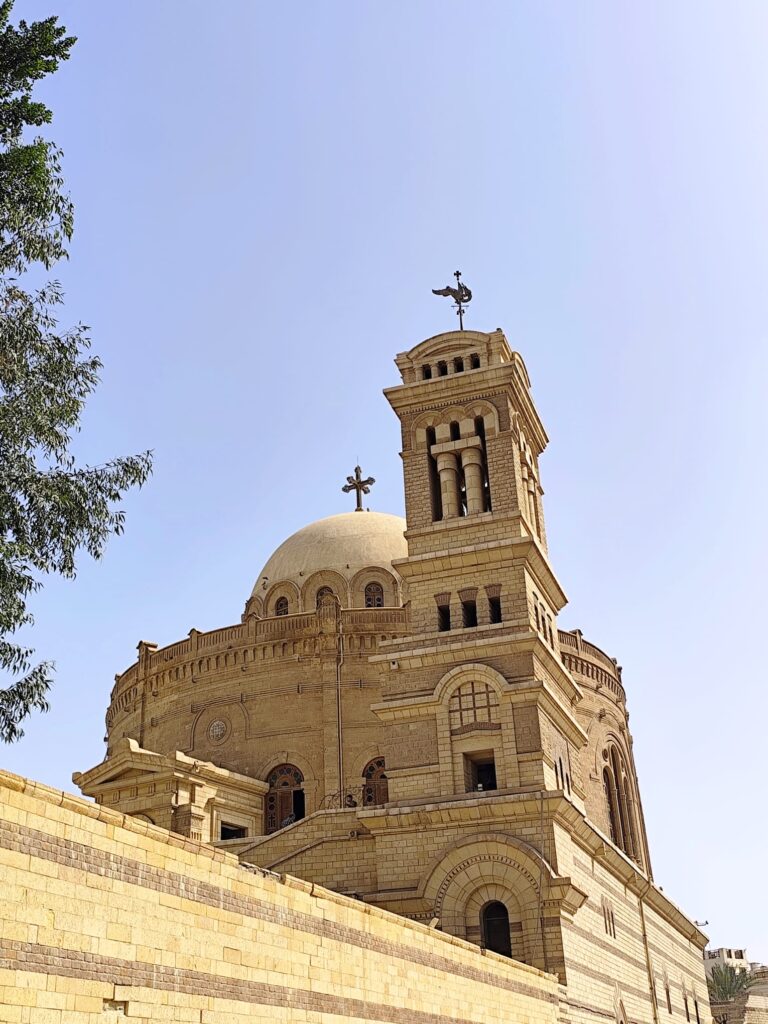
Coptic Cairo is worth doing, but it is not a full-day zone for most travelers. Think of it as a short, guided or self-guided circuit: a cluster of churches and a couple of small museums, with the main benefit being contrast—Cairo’s religious and historical layers in one compact area. This is also one of the few places where a guide can be optional: if you like reading plaques and you are fine moving independently, you can do it without much friction. The best way to make this section feel “worth it” is to pair it with the National Museum of Egyptian Civilization (NMEC), because it adds a major headline experience: the Royal Mummies’ Hall.
Zamalek (calmer, more “western,” and genuinely good for nights out)
Zamalek is your reset button. It is greener, calmer, and more comfortable than many central areas, with a lot of galleries and cafés (including specialty coffee), and it is one of the easiest places in Cairo to have a relaxed breakfast or a slower afternoon. At night, it also works because you get pubs, riverside views, and a more polished dining/drinks scene where alcohol is available and the vibe feels closer to a big international city. It is not “authentic Cairo” in the historic sense, but it is very useful for travelers who want one part of the trip to feel easy.
Museums and culture (prioritize GEM and NMEC, skip the tower)
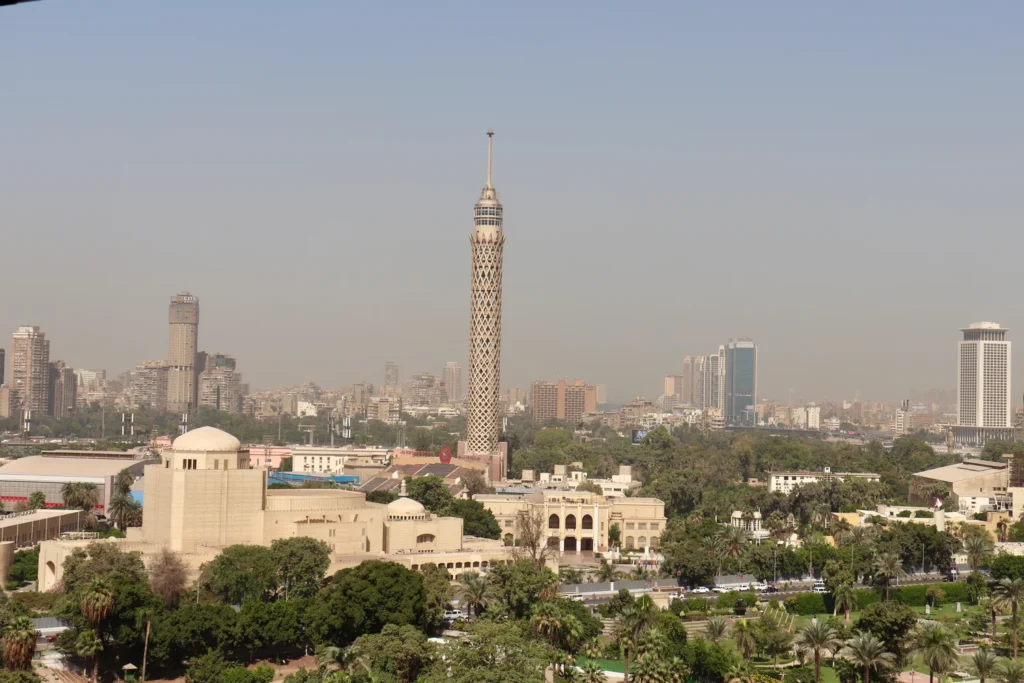
If you have limited time, the Grand Egyptian Museum (GEM) is now the priority for ancient Egypt in Cairo/Giza—newer, purpose-built, and right by the pyramids area. I would not frame it as “the old Egyptian Museum is pointless,” though. Many key pieces have moved, but the Egyptian Museum in Tahrir can still be worthwhile if you have extra time and you like old-school museum browsing. What I would actively skip is the Cairo Tower: it is a classic “viewpoint box-check,” often more hassle than reward. For evenings, the Cairo Opera House can be a good, grown-up plan because tickets are often cheaper than comparable nights out in many European capitals—and it’s a comfortable way to end a heavy sightseeing day.
5. Off the Beaten Path
Alexandria (the easiest side trip from Cairo)
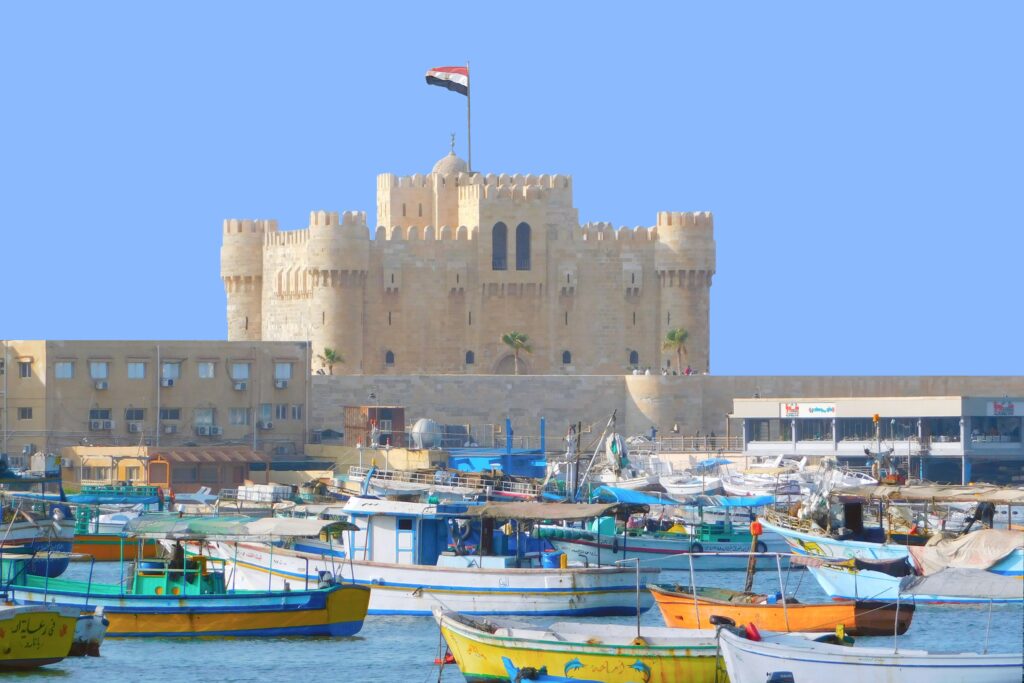
Alexandria is the easiest alternative trip from Cairo. It takes around three hours by road, and you can also go by train. A day trip is possible, but it will feel tight: enough for a short tour, a meal by the sea, and a few key stops. The city feels more modern and Mediterranean than Cairo, with enough history to make it interesting without feeling like another heavy monument day. The best stops are the Catacombs of Kom el Shoqafa, the Greco-Roman Museum, and the Alexandria National Museum, where you see that mix of Egyptian, Greek, and Roman history. Abu Mena / the Monastery of Saint Mina is more specific and less practical for a rushed visit. To see Alexandria properly, give it two or three days.
White Desert (worth it for the landscape, not for comfort)
The White Desert is one of Egypt’s most unusual landscapes: white rock formations, open silence, and a very different feeling from Cairo, Luxor, or the Red Sea. You can go towards Farafra by bus and arrange a local desert tour there, which is usually cheaper, or book a full tour from Cairo, which is easier but more expensive. This is not a smooth “extra activity.” It means long transfers and basic logistics. Go if you want scenery and quiet. Skip it if your itinerary is short or you do not want another demanding journey.
Siwa Oasis (beautiful, remote, and slow)
Siwa Oasis is much farther from Cairo, so do not add it casually. There are buses, which are cheaper, and private transfers, which are more comfortable but much more expensive. You need at least three days: one to get there, one to be there, and one to come back. Siwa is not mainly a cultural stop like Luxor. It is about landscape, palm groves, salt lakes, water, and the feeling of being far from the main tourist route. It is beautiful, but the journey is heavy. Go if you have extra time. Skip it if you are trying to fit Egypt into a tight itinerary.