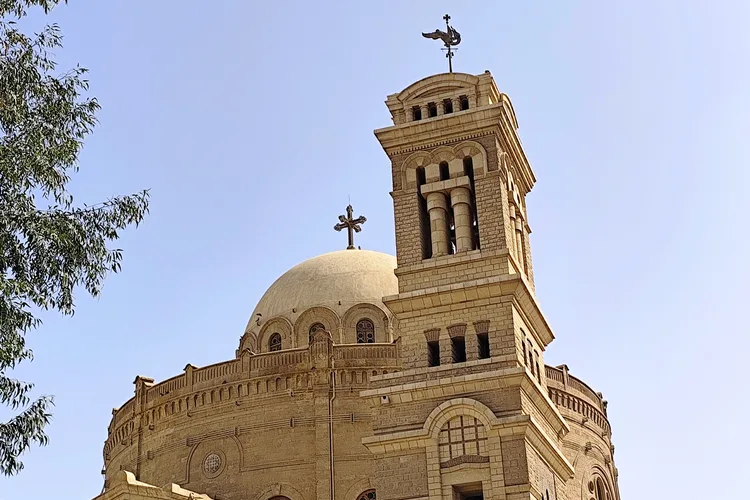
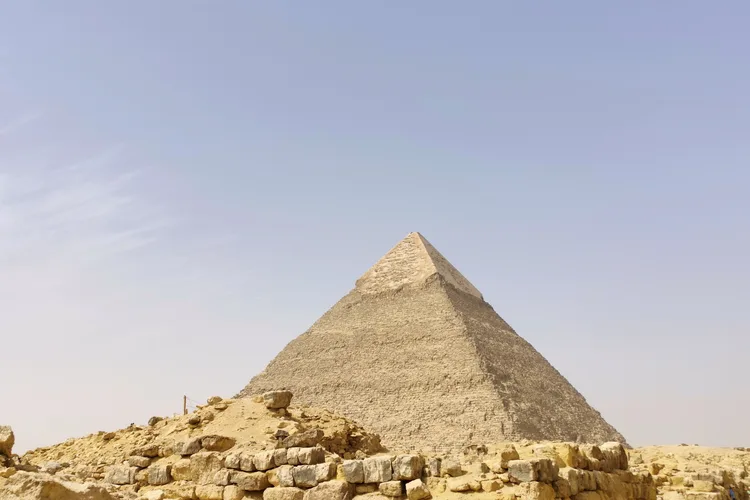
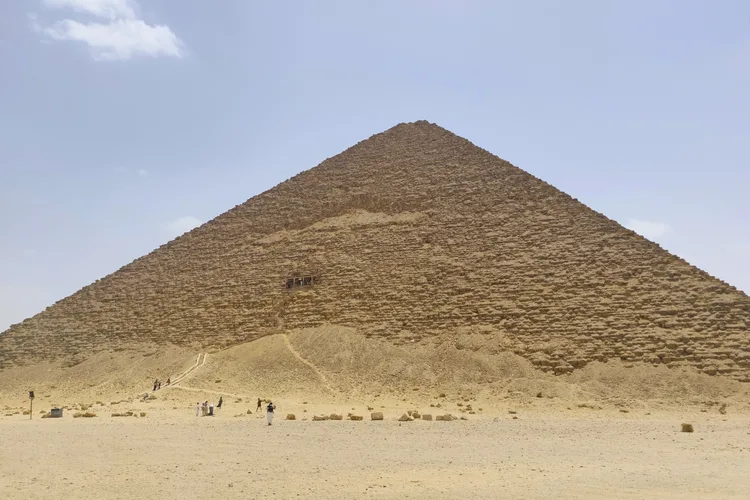
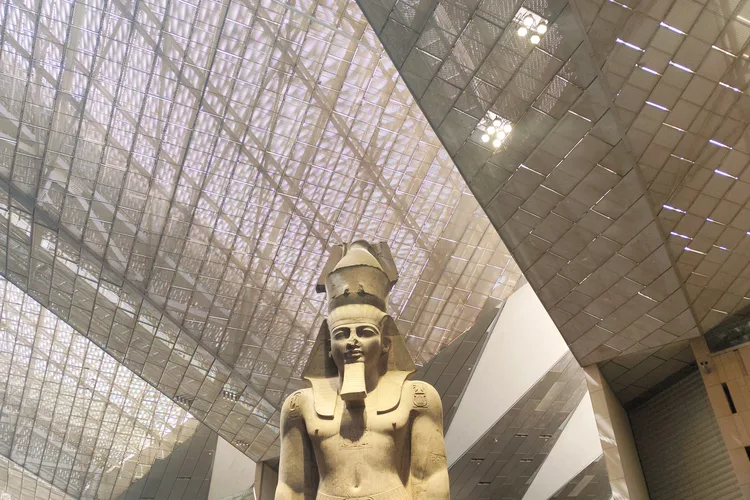
Egypt brings together major archaeological sites, dense urban culture, Red Sea resorts and Nile-based itineraries in one trip. It works for very different travel styles, from history-focused routes through Cairo, Luxor and Aswan to beach breaks in the Red Sea. This guide covers the essentials to plan your visit: the best time to go, safety, visa rules, dress expectations, transport, connectivity and practical information for travelling comfortably between Egypt’s main tourist hubs.
Quick insights
Egyptian Pound (EGP)
September to May
Arabic / English widely used in tourist areas
20-30ºC
Before you travel
Safety
Egypt receives large numbers of tourists and most visits to the main tourist circuit are trouble-free, but official advisories warn against travel to some border, desert and northern Sinai areas. For mainstream routes, the key is to keep checking regional advice and use reputable operators for remote areas.
Visa
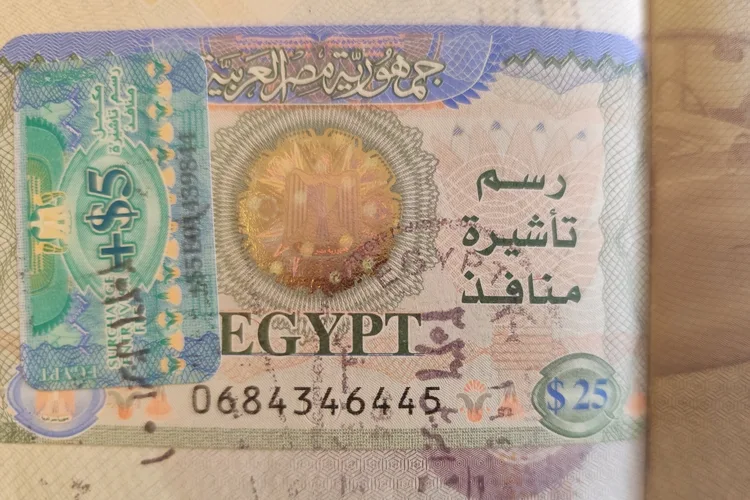
Many travellers can apply online through Egypt’s official eVisa portal, and some can also get a visa on arrival if eligible. Egypt’s tourism site states that visa on arrival is available at the airport bank counters for eligible travellers.
Transport
Trains, buses, taxis and ride-hailing apps are the most common ways to move around Egypt. High-speed trains are a practical option on major routes such as Cairo–Alexandria and Cairo–Luxor–Aswan.
Connectivity
Tourists can buy temporary local lines from the main telecom providers, and most hotels offer Wi-Fi. However, the connection in Egypt, specially in some areas of Luxor or Aswan, may be unstable, making Egypt difficult for remote workers.
Daily travel expenses
A comfortable mid-range trip in Egypt is often relatively affordable by regional standards, with recent traveller averages around $60 per person per day, though Cairo and Upper Egypt can differ and Red Sea resorts can run higher.
Everything you need to know about visiting Egypt
Is Egypt safe to travel?
Egypt is generally safe for travellers following the main tourist route, including Cairo, Luxor, Aswan and the main Red Sea resorts. That said, it is not the most stable country in the region, and government advisories continue to warn against travel to some border, desert and northern Sinai areas. In tourist zones, petty theft can happen, scams and overcharging are common, and solo women may face unwanted comments or pressure from touts and street vendors.
What is the best time to visit Egypt?
For most travellers, the best overall window is from September to May, when sightseeing is more manageable than in peak summer. Official tourism guidance describes winter as mild and notes that temperatures can fall at night, especially in desert areas, so evenings in winter can feel chilly and breezy. During the hotter months, the sun is strong for much of the year, so sunscreen, sunglasses and sun protection are essential even outside summer.
What should I wear in Egypt?
Egypt does not impose a strict dress code on tourists, and in major tourist areas people are used to seeing shorter Western clothing. Still, solo women usually feel more comfortable in loose trousers, longer skirts or dresses, and tops that do not attract too much attention. Covering shoulders and knees is the most practical choice in public spaces, while mosques and other places of worship require more conservative clothing and a scarf is useful to have with you. For men, dress expectations are much more relaxed and there are fewer restrictions than in some other countries in the region.
Do I need a visa to visit Egypt?
Many travellers need either an eVisa or a visa on arrival, depending on nationality. The official eVisa portal recommends applying at least 7 days before departure. Also, visa on arrival could be purchased at the airport and paid in dolars, euros or card.
Can I buy a SIM card when I arrive in Egypt?
Yes. Egypt’s official tourism site says temporary tourist lines are available from the main telecom operators, and they can be arranged with your passport details.
How do you get around Egypt?
For intercity travel, buses are usually the most budget-friendly option, while domestic flights are much faster and generally cost significantly more. High-speed trains are useful on major routes such as Cairo–Alexandria and south towards Luxor and Aswan, though prices and comfort levels vary by service. Within the cities, ride-hailing apps are widely used, and Uber operates officially in Egypt; taxis are also easy to find.