1. Culture & City Life
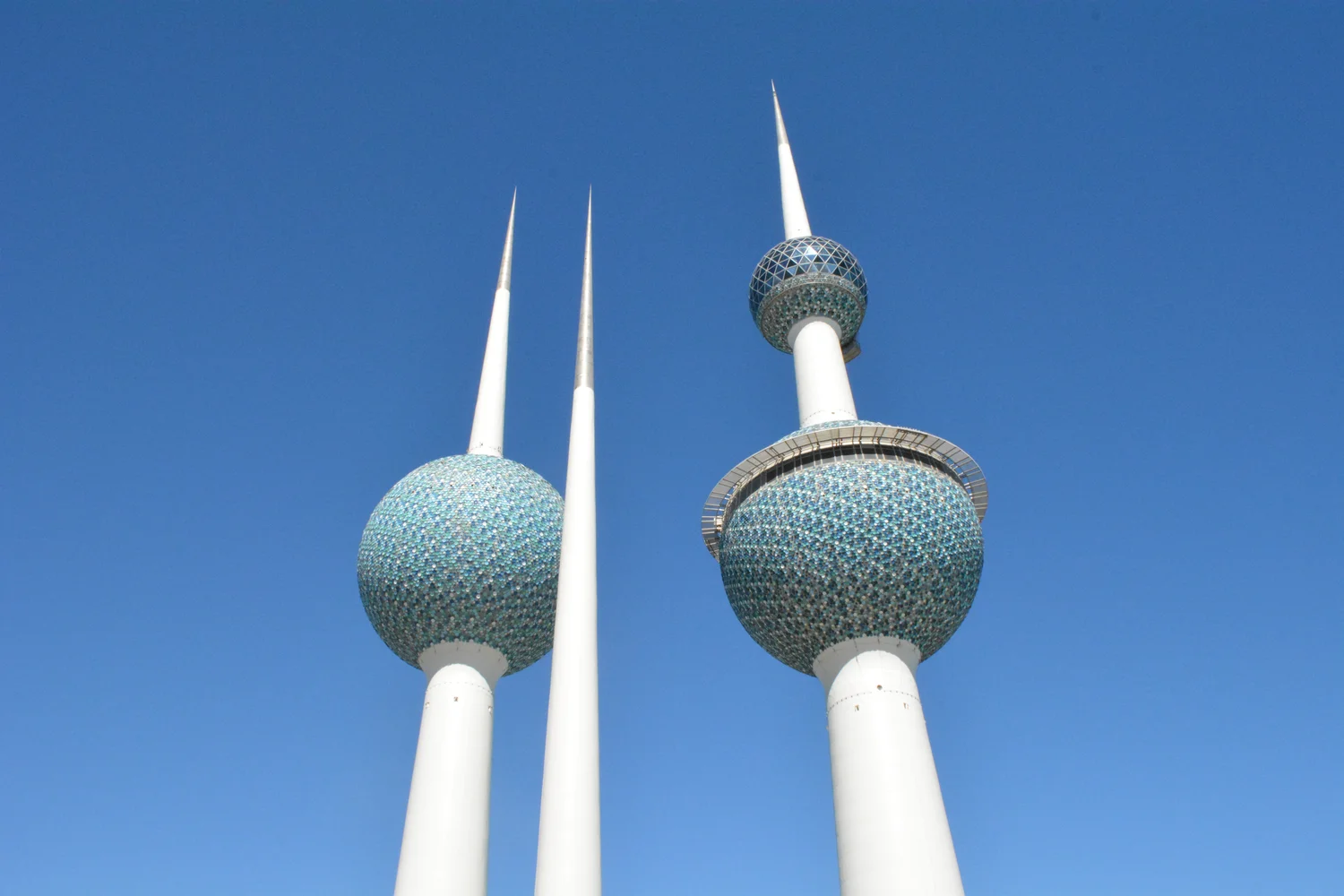
Kuwait Towers
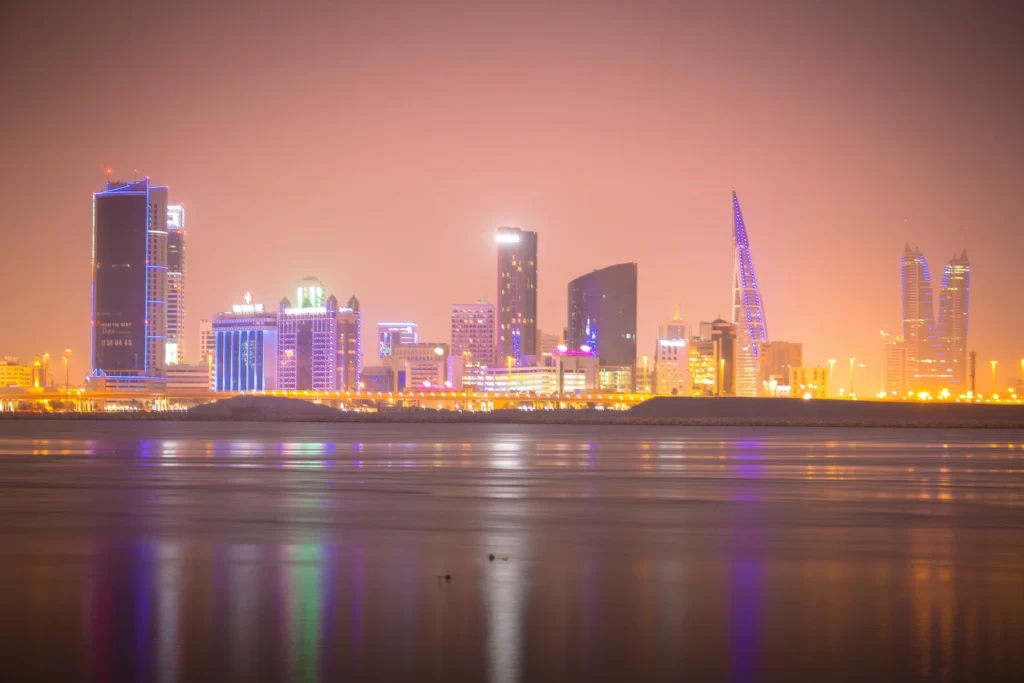
Standing gracefully over the Arabian Gulf, the Kuwait Towers are the country’s most recognizable symbol. Designed in the 1970s, their three slender spires marked Kuwait’s confident leap after independence. Inside, an observation deck rotates 360° for sweeping sea and skyline views, while the lower levels house a restaurant and café. Time your visit for late afternoon; the blue hour washes the city in soft light and the domes glow like lanterns — the best welcome to the city and one of the best places to see in Kuwait.
Souq Al-Mubarakiya
One of the oldest markets in the Gulf, Souq Al-Mubarakiya is a sensory deep dive into Kuwait’s past. Breathe in cardamom and saffron, compare goldwork, finger hand-loomed textiles, and grab a bowl of machboos at a no-frills diner. As evening arrives, families wander in for dinner, lights warm the alleys, and the pace slows to a sociable sway. If you’ve come to soak up everyday life, few places of interest in Kuwait feel this storied yet welcoming.
The Avenues
More than a shopping mall, The Avenues is Kuwait’s living room. Themed districts mimic Parisian streets and old souqs; cafés spill onto marble “avenues” under a vast glass roof that floods the space with daylight. Come for lunch and people-watching, stay for a meander through the design-led storefronts. Even if retail therapy isn’t your thing, the scale and architecture make it a fun detour when you’re browsing stuff to do in Kuwait on a warm afternoon.
Sheikh Jaber Al-Ahmad Cultural Centre
Often called Kuwait’s Opera House, this cultural complex takes geometric steel lace and turns it into architecture. It hosts concerts, plays, and festivals year-round, but it’s worth visiting even without a ticket. The reflecting pools and café terraces make a relaxed evening stop; locals drift in after work, and the buildings catch the afterglow like faceted gems. Check the program before you arrive if you want to pair coffee with a performance.
Marina Crescent & Salmiya Promenade
In Salmiya, palm-lined paths hug the Gulf, skirting marinas where yachts bob in the swells. This is stroll territory: couples and friends doing loops before dinner, families sharing pistachio gelato, runners pacing along the water. Choose a café with outdoor seating and watch the light flatten into gold, the skyline sharpening as the heat lifts. It’s an easygoing way to anchor your first evening in the city.
360 Mall & Arena
A newer lifestyle complex, 360 Mall blends shopping with entertainment, indoor gardens, and sports — yes, even an Olympic-size rink and a tennis arena. Skylights and planters keep the air bright and green. If you’re traveling with friends or family who prefer a mixed day out, it’s a convenient spot to gather, eat, and catch a game or exhibition under one roof.
Jaber Causeway
Among the world’s longest sea bridges, Sheikh Jaber Causeway arcs north over the water toward Subiya. The drive offers a rare feeling of openness in a city otherwise knitted by highways — sea on both sides, horizon stretched taut. Late afternoon is the sweet spot, when the sun slants low and the skyline behind you draws itself in silhouette in the rearview mirror.
2. Museums & Heritage
Grand Mosque of Kuwait
Kuwait’s main mosque pairs scale with serenity. The vast prayer hall — chandeliered and domed in blues — can host more than 10,000 worshippers, yet the atmosphere is intimate on guided tours. The volunteers are generous with stories about design, ritual, and daily practice, turning an architectural visit into a cultural conversation. Modest dress is required, and abayas and scarves are provided at the entrance, so you can simply arrive and settle into the pace.
Kuwait National Museum
Set by the sea, the National Museum links the region’s Dilmun roots with Kuwait’s maritime life. Galleries move from pottery and tools to pearling traditions and pre-oil domestic scenes, spaced so you’re never rushed. The Planetarium next door adds a contemporary wink — a quick jump from ancient trade routes to the night sky. Plan for a quiet afternoon amble, then finish with a short seafront walk right outside.
Tareq Rajab Museum
This private collection is a love letter to Islamic art, curated like a home rather than a hall. Calligraphy, ceramics, jewelry, costumes — it’s all here, arranged with care and context. The intimacy changes your pace: you look longer, read more, notice delicate glaze work and tiny filigree. Staff are passionate and happy to point you toward details you might miss, including a textiles section that’s easy to overlook but wonderfully rich.
The House of Mirrors
Part home, part installation, the House of Mirrors is one of Kuwait’s most surprising stops. Glass mosaics climb across floors, walls, and ceilings, splintering light into a thousand reflections. Tours feel personal because the artists still live here; rooms become chapters in an ongoing story of craft and family. It’s idiosyncratic, photogenic, and a delightfully off-beat entry on any list of places to visit in Kuwait. Contact them by WhatsApp to book your ticket.
Red Fort (Al Jahra)
Northwest of the city, this early-20th-century mud-brick fort rises from the desert like a film set. The thick red walls catch the last light, turning crimson against the sand, and the stillness around the complex carries the weight of tribal histories. It is temporary closed but you can pair the visit with a short drive into the dunes and watch the outside.
Sadu House
Next to the National Museum, Sadu House safeguards Bedouin weaving traditions. Looms, patterns, and wool tell stories of nomadic life with a calm, tactile intimacy. Exhibitions rotate, but the shop is a constant if you’re after thoughtful souvenirs: cushions, rugs, and smaller pieces woven by local artisans. It’s heritage you can hold, rooted in the textures of the desert.
3. Nature & Coastal Escapes
Green Island
Minutes from downtown, Green Island offers lawns and bike paths with steady sea breezes. It’s a classic late-afternoon plan: families drifting in with picnic baskets as the sun slides toward the horizon, walkers making slow loops along the circular path. Find a spot on the seafront wall and watch the skyline turn on, one tower at a time — an easy, inexpensive reset after a busy day.
Failaka Island
A short ferry ride delivers you to Failaka, where Greek ruins, old mosques, and abandoned homes sketch out layers of history. The island moves at a slower tempo; you wander, pause, then wander some more, taking in weathered stones and quiet beaches. Go early and give yourself time to linger, especially near the pier at day’s end when the water burns copper. It’s one of the most atmospheric places to see in Kuwait if you crave a sense of elsewhere without going far.
Kubbar Island
About 30 km offshore, Kubbar Island is a sand ring surrounded by turquoise. There are no facilities here — that’s the charm — so you bring what you need and claim a patch of shade. Snorkeling is easy in clear shallows, and the picnic brief writes itself: fruit, cold drinks, a light lunch. Local charters and boat groups leave from the Marina area and Fahaheel when seas are calm, making this a breezy beach day within reach of the city.
Nature Reserves & Wildlife
South of the capital, protected zones shelter birds, oryx, and gazelles in scrub and low dunes. Access varies by season, sometimes through educational tours or events. Early mornings are best for spotting movement before the heat builds; bring water and binoculars and keep expectations gentle — the point is the quiet, the pale light, the quick flick of a tail disappearing into brush.
Desert Camping & Stargazing
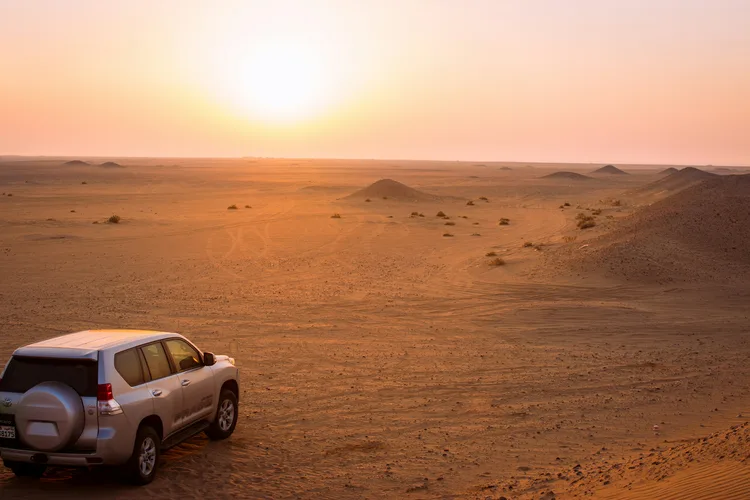
Beyond the suburbs, the desert unwinds into long horizons and winter nights made for tents and tea. Many residents set up weekend camps between December and February; tour companies offer glamping-style setups with carpets, coffee, and dinners around the fire. The sky puts on a steady show when the air is clear — constellations sharp enough to trace with a finger — and the silence reminds you how close wilderness sits to city life.