1. Best Things to Do in Amman
Amman Citadel
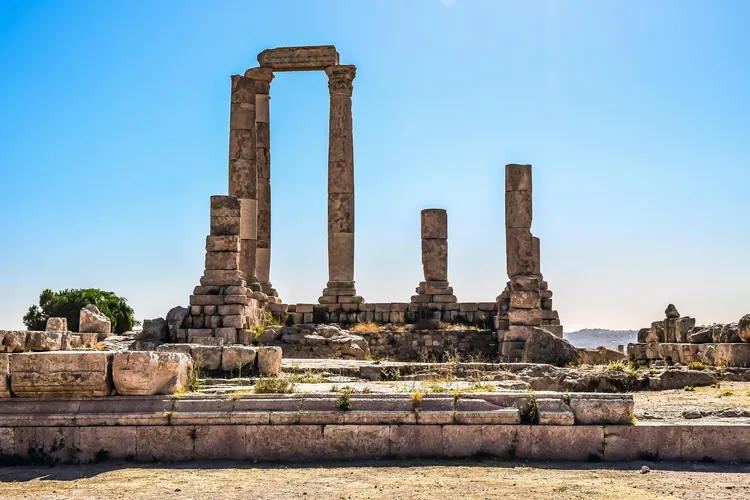
Perched on one of Amman’s seven hills, the Citadel is a window into thousands of years of civilization. Roman, Byzantine, and Umayyad ruins share the same hilltop, overlooking the modern city that now surrounds them. As you wander among toppled columns and weathered stones, you hear the call to prayer roll across the valley and realize how the old city and the new one keep weaving into each other. Arriving in the late afternoon rewards you with warm, honeyed light that slides over the white houses and pools across the hilltops; it’s the moment when the ruins feel both intimate and grand, and when the city’s rhythm softens enough to really take in the view.
Roman Theater
At the base of the Citadel, this remarkably preserved amphitheater once seated around 6,000 people and still welcomes audiences today. The semicircle of seats rises steeply, and the acoustics remain so sharp that a soft voice at the stage can carry to the top. Climbing to the highest row gives a wide panorama over downtown Amman — a patchwork of stone façades, minarets, and bustling streets — and it’s here that the contrast between ancient design and contemporary city life lands with the most clarity. Down at street level, kids kick a football, coffee vendors pass tiny cups, and families settle on steps to watch the afternoon drift into evening.
Rainbow Street
Rainbow Street gathers much of Amman’s creative energy into one walkable ridge. Cafés spill onto terraces, small galleries lean into local design, and vintage shops display retro posters and ceramic finds. It’s a place to linger rather than tick off sights: order a mint lemonade, glance across rooftops shaded in late light, and plan out the next stops while music floats from balconies. As night falls, the street glows and conversation swells; you can move from a casual mezze dinner to a gelato stand in minutes. For travelers asking about things to do in Amman, this is an easy anchor — social, scenic, and unhurried.
Jordan Museum
Bright, modern, and thoughtfully curated, the Jordan Museum connects dots from prehistory to the present without overwhelming you. Galleries interweave archaeology with daily life, so Nabataean artefacts sit in conversation with stories about trade routes, water, and craft. The layout invites you to slow down; air-conditioned halls offer a comfortable pause at midday, and interpretive panels balance detail with readability. You leave with a clearer sense of how the landscapes you’re exploring shaped — and were shaped by — the people who moved through them.
Abdali Boulevard
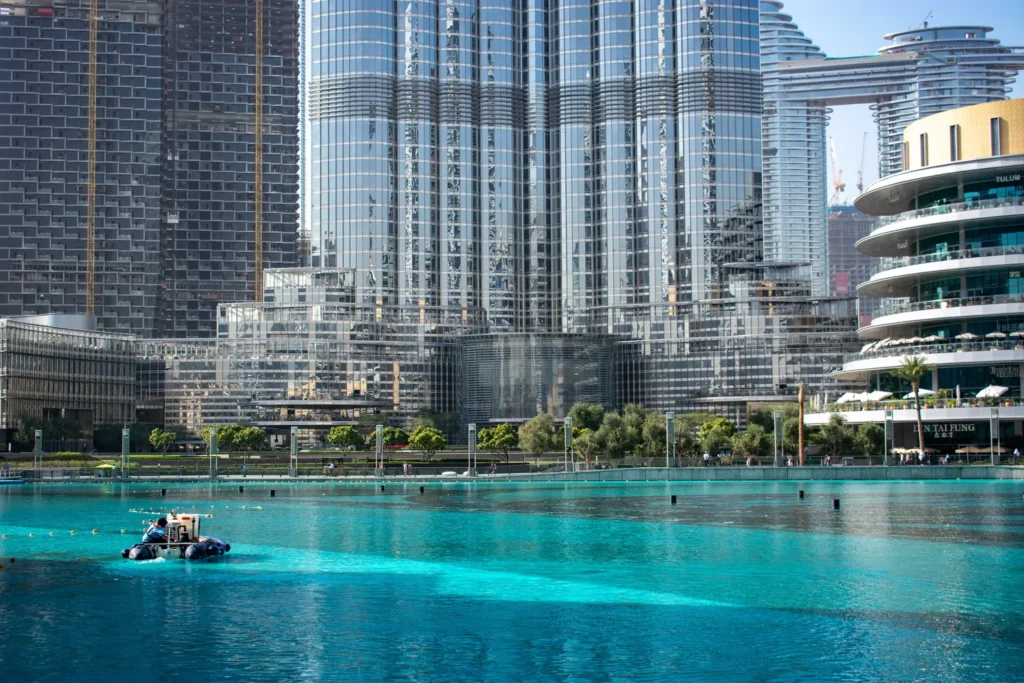
Abdali is Amman’s sleek counterpoint to its older quarters: glass towers reflect evening skies, restaurants set tables along broad pedestrian lanes, and open-air plazas host weekend events. Come for a relaxed dinner and a stroll beneath softly lit façades, or use the area as a springboard to explore nearby neighborhoods. It’s cosmopolitan without being hurried, the kind of place where you can catch your breath between museum visits and market walks and still feel plugged into the city’s present.
2. Nature & Adventure in Jordan
Petra
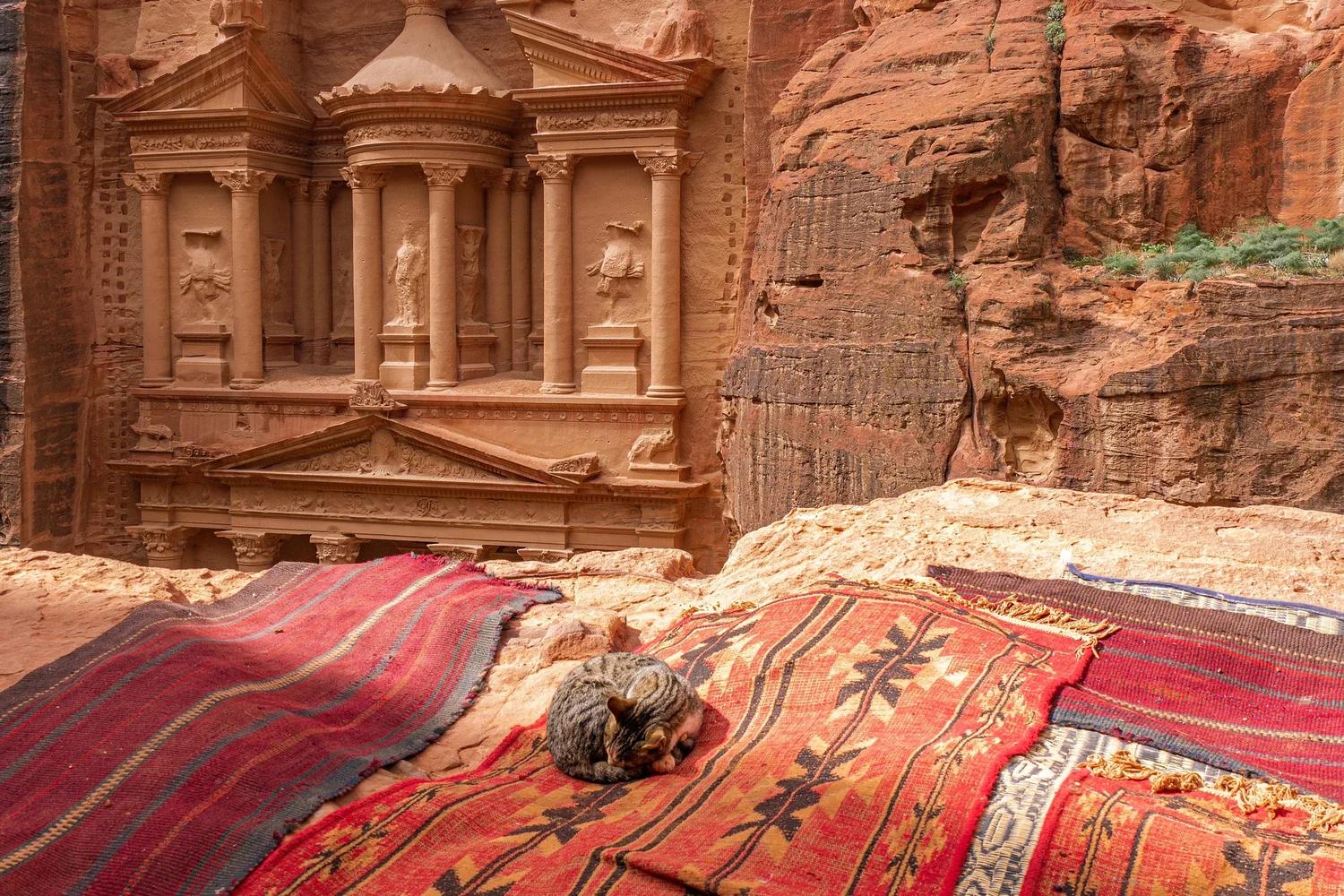
No list of Jordan is complete without Petra, and no photograph quite prepares you for the scale of it. The approach through the Siq — a narrow, serpentine gorge — teases with slivers of sky and bands of red and rose rock before releasing you at the Treasury, a façade carved with improbable finesse. Give yourself time to go beyond this first reveal: winding paths lead to tombs and temples, and the climb to the Monastery opens onto a broad terrace that gazes out over sculpted sandstone and distant desert. With a full day, or even two, you can follow quieter trails, listen to the steps of your own pace, and watch the light recast the stone from ember to gold. Petra tops so many lists of places to visit in Jordan.
Little Petra (Siq al-Barid)
Just fifteen minutes from the main site, Little Petra compresses the same Nabataean magic into a smaller, calmer canyon. Carved façades, soot-smudged ceilings, and stairways to high niches hint at caravan days along the Silk Road. Arrive toward sunset if you can; the rock glows peach and pink, sounds fade, and you can wander through shadowed passageways without feeling pushed along by a flow of visitors. It’s an easy add-on that deepens the story of Petra rather than repeating it.
Wadi Rum
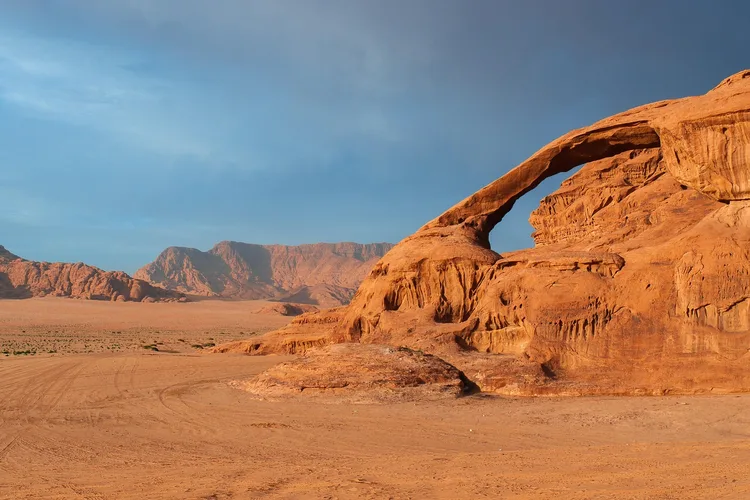
Known as the “Valley of the Moon,” Wadi Rum spreads out in a panorama of rust-red sand cut by cliffs and domes of sandstone. The scale plays with your sense of distance, and the silence, once you step away from the jeep, is the kind that leaves space for every small sound. Guides thread through canyons, point out ancient petroglyphs, and set kettles to boil for sweet tea. Stay overnight at a Bedouin camp to feel the desert change character — late light paints rock faces, constellations sharpen against the sky, and dawn arrives as a hush more than a spectacle. Pack a light jacket even in warmer months; the temperature slides after dark and the morning air carries a surprising chill.
Dead Sea
At the lowest point on Earth, the Dead Sea offers an experience that feels more like floating than swimming. The dense water lifts you effortlessly while the distant Judean Mountains form a still horizon, and the mineral-rich mud adds a spa-like note to a place already heavy with history. Bring drinking water, rinse off after your float, and ease into the quiet rhythm of late afternoon. When the sun drops, the surface goes mirror-smooth and the scene becomes less a beach and more a meditation.
Dana Biosphere Reserve
Jordan’s largest nature reserve is a layered landscape of cliffs, terraced fields, and canyons that pull you from one zone to another. Trails range from short viewpoint walks to full-day routes that spill into wide, silent valleys. The Dana–Feynan trail is a standout: it starts high, passes along ridgelines alive with wind, and descends toward desert, revealing how much the terrain shifts across a few hours on foot. Eco-lodges perched on the edge of the landscape invite an overnight stay that replaces traffic noise with owls and the steady scrape of wind on stone. Book your visit in advance.
Mujib Biosphere Reserve
Near the Dead Sea, Mujib funnels water through a series of narrow gorges, turning the desert into a cool playground of chutes and pools. Depending on the season, rangers open routes where you scramble over boulders, wade waist-deep, and slide through cascades to circular amphitheaters of rock. Proper water shoes transform the experience, and a dry bag keeps phones and documents out of the current. Because access is seasonal and weather-dependent, a quick check of conditions before you set out helps match expectations to the day.
Aqaba
At Jordan’s southern tip, Aqaba blends Red Sea reefs with a relaxed seaside town. The water is clear and warm, home to coral gardens and fish that crowd into color at even shallow depths. Snorkeling requires little more than a mask and time, while divers can explore easy shore entries and wrecks offshore. After the sun folds into the water, the promenade livens up with cafés and family strolls; order a plate of grilled fish, feel the breeze lift the edges of the tablecloth, and let the pace drop a notch after the deserts and ruins further north. It’s a natural reset between adventures.
Wadi Mujib Canyon Road
Threading through a lesser-known section of central Jordan, this scenic road cuts between cliffs and farmland before curling toward the highlands. The views come in waves — a sudden turn reveals a river cleft, another opens onto terraced fields and small stone houses. It’s a drive best taken slowly, with casual stops at roadside stalls where families sell honey, herbs, and cardamom coffee. The journey doesn’t demand a checklist; it rewards curiosity and time.
3. Best Day Trips from Amman
Jerash
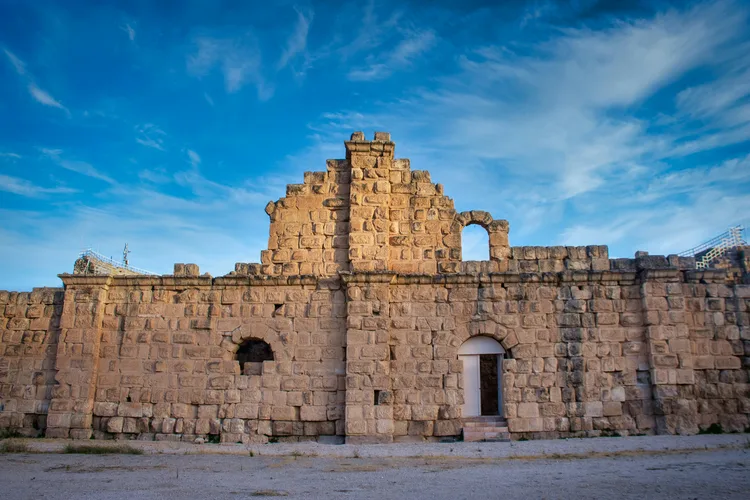
About an hour north of the capital, Jerash stands as one of the best-preserved Roman cities anywhere. The oval forum lays out a graceful welcome, colonnaded streets run arrow-straight, and arches rise with a precision that still reads as ambitious. Go early if you prefer quiet pathways and photographs without a parade of people, and bring water along since much of the site is open to the sun. As you move from theater to temple, you start to sense how daily life might have sounded here — footsteps on stone, wheels on the paving, the hum of a market — and that imagination is part of what makes the site stick.
Al-Karak Castle
Halfway along the King’s Highway, Al-Karak lifts above the valley on a ridge that catches both wind and views. The Crusader-era core has a warren of tunnels, vaulted rooms, and arrow slits that frame the surrounding hills like a series of photographs. A small flashlight helps you navigate the cooler, darker levels where echoes bounce and your eyes take a moment to adjust. Outside, the ramparts deliver long looks across farmland and village clusters, making the strategic position immediately clear.
Umm Qais
In the far north, near the Sea of Galilee, Umm Qais layers Greek and Roman remains with Ottoman-era homes and olive trees that cast generous shade. The site feels unhurried, with walkways that encourage lingering rather than marching from monument to monument. Arrive in the late afternoon for lower sun and long shadows, then sit for a coffee at the on-site café that backs onto a sweeping view of the Jordan Valley. It’s a gentle, contemplative end to a day of exploring and one of the most rewarding day trips from Amman if you value atmosphere as much as big ruins.