Main Temples and Tombs
Valley of the Kings
The Valley of the Kings is the main tomb site in Luxor. This is where many rulers of Egypt’s New Kingdom were buried, and the valley includes more than sixty tombs plus unfinished ones. The East Valley is the part most visitors see.
With the basic ticket, you usually choose three tombs. That is enough for most visitors. The best way to make it interesting is to choose tombs that feel different from each other. A strong combination is KV8, KV11, and KV47.
KV8, the tomb of Merenptah, gives you scale. It is a royal tomb with a deep axis, descending corridors, and a large burial chamber. It is not the most delicate tomb in the valley, but it feels important.
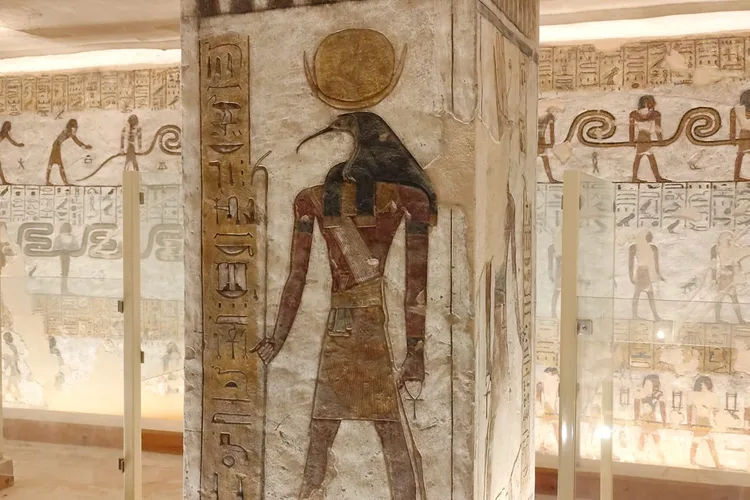
KV11, the tomb of Ramesses III, is the most visually rewarding of the three. It is one of the best tombs to choose if you want decoration, color, and a more complete feeling. It is also known for its famous harpist scenes.
KV47, the tomb of Siptah, adds something different. Siptah ruled young and briefly, and the tomb feels less polished in parts. That makes it useful because you see how tombs could remain unfinished or uneven when time ran out.
Tutankhamun’s tomb needs an extra ticket. It is famous because of the discovery, not because the tomb itself is the most impressive. It is small, and only the burial chamber walls are decorated. If you care deeply about Tutankhamun, go. If you have already seen mummies and want the best value, the extra ticket is not essential.
Temple of Hatshepsut
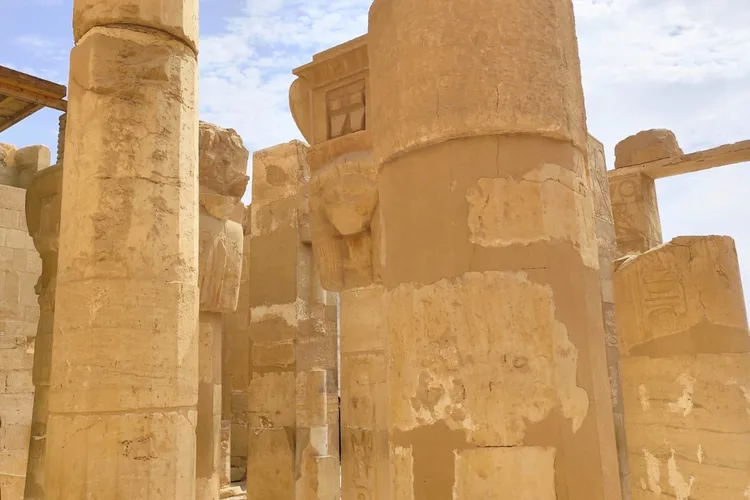
The Temple of Hatshepsut is one of the most visually impressive sites on the West Bank. Hatshepsut was the queen who became pharaoh, and her mortuary temple at Deir el-Bahari was built into the cliffs across the Nile from Karnak. It was designed by Senenmut, her chief steward.
This is not a hidden place. It is busy, exposed, and very touristic. You should expect crowds and heat.
Even with that, it is worth visiting. The setting is too strong to skip, and the temple looks different from almost everything else in Luxor.
Temple of Amun at Karnak
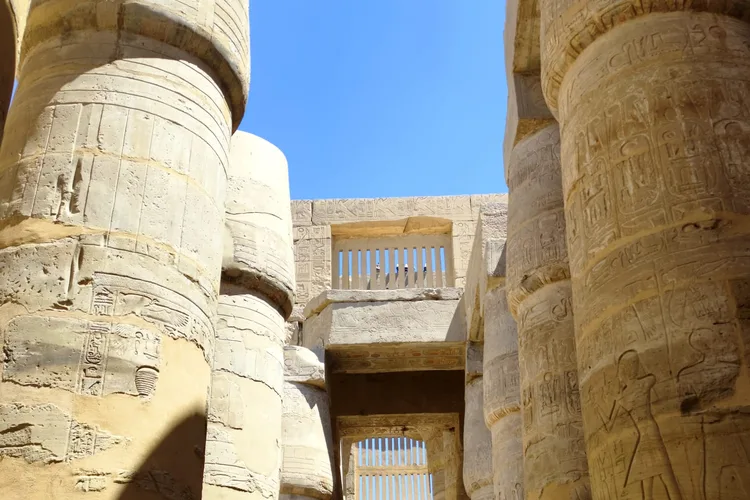
The Temple of Amun at Karnak is the strongest temple experience in Luxor. Karnak is not one simple temple. It is a large religious complex with chapels, pylons, courtyards, sacred spaces, and several historical layers. The Great Temple of Amun was the central religious space here, and Karnak was one of the most important sites in ancient Thebes.
This is where scale matters. Even if you are not deeply interested in Egyptology, Karnak is hard to dismiss. The columns, open courts, carved walls, and sheer size make it more powerful than most other temple visits in Luxor. If you only visit one temple in Luxor, make it Karnak.
Luxor Temple
Luxor Temple is smaller than Karnak, but it is still worth seeing. It sits in the middle of the modern city, which gives it a different feeling. You do not travel out to find it. The city surrounds it.
The most interesting part is the layering. Luxor Temple is not only ancient Egyptian. It also has Roman, Christian, and Islamic layers. The official monument page notes its connection with the Opet Festival, and the Abu Haggag Mosque still sits inside the temple area today. Go to Luxor Temple after Karnak, but do not expect the same scale. Its value is atmosphere and historical overlap.
Abu Haggag Mosque
Abu Haggag Mosque is inside Luxor Temple, and it is still an active mosque. That makes it one of the most unusual religious sites in the city.
You can try to enter, but do it respectfully. Dress modestly, remove your shoes, ask permission, and stay quiet. Women should cover their hair. Do not take photos unless someone clearly allows it.
This is not a normal tourist stop. It is worth seeing because it shows Luxor’s religious layers in one place: ancient Egyptian, Christian, and Islamic.
Avenue of the Sphinxes
The Avenue of the Sphinxes connects Karnak Temple and Luxor Temple. It is around 2.7 km long and was a ceremonial route between the two temples.
On paper, the walk sounds better than it feels. It can take around half an hour, and there is little shade. In strong heat, I would not recommend it.
There is also an expectation problem. Many sphinxes are damaged, restored, or incomplete, so do not expect a perfect ancient avenue. Walk it only if the weather is comfortable and you are curious. Otherwise, take transport between Karnak and Luxor Temple.
Smaller Tombs and Quieter Temples
Valley of the Queens
The Valley of the Queens sounds essential, but for most first-time visitors it is not. The tombs in the Valley of the Kings are much more impressive.
The exception is the tomb of Queen Nefertari, which requires a separate ticket and is the real reason many people consider coming here. Without Nefertari, the standard visit is much less rewarding.
Skip it unless you want a very complete Luxor visit or you are paying extra for Nefertari.
Tombs of the Nobles
The Tombs of the Nobles show a different side of ancient Egypt. Instead of royal tombs, you see tombs of officials and elites. The scenes are often more about daily life, work, nature, rituals, and status.
They are quieter and more detailed, but they are not as immediately impressive as the Valley of the Kings. They are worth it for people who care about tomb art. They are not worth forcing into a short itinerary.
Valley of the Monkeys
The Valley of the Monkeys is in the West Valley area. It is linked to the tomb of Ay and to scenes of baboons, which is where the name comes from.
I would not call it a must-see. But it is more interesting than adding another similar minor tomb. If you have already seen the Valley of the Kings and want something different, this is a better extra than the Valley of the Queens without Nefertari.
Temple of Seti I
The Temple of Seti I is one of the quieter West Bank temples. It is less crowded and usually cheaper than the major headline sites, but it is also less spectacular.
Add it if you want a deeper West Bank visit. Skip it if you are already tired after the Valley of the Kings and Hatshepsut Temple.
Museums in Luxor
Mummification Museum
The Mummification Museum is small, clear, and worth your time. It explains how ancient Egyptians preserved bodies and shows objects connected to that process. The official museum page also notes that Egyptians mummified animals, including cats, dogs, and crocodiles.
This is much less crowded than the major Cairo museums. It is also easier to understand without spending half a day inside. For the price and effort, this is one of the best small stops in Luxor.
Luxor Museum
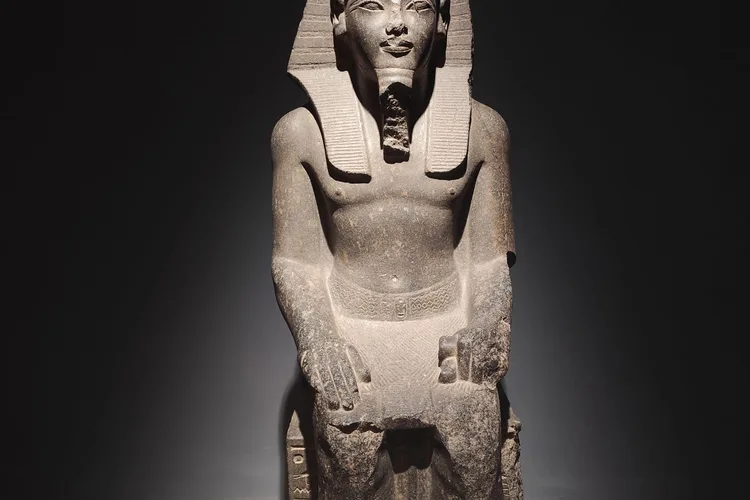
Luxor Museum is well presented, but it is not essential for everyone. It shows objects from Luxor, including pieces connected to local temples and archaeological sites.
If you have already visited the major museums in Cairo, Luxor Museum may not feel spectacular. The collection is good, but it does not have the same impact.
One practical reason to go is the shop. If you want to buy silver or gold in Egypt, the museum shop is a safer and more honest place than random tourist shops. The quality is better controlled, and the buying process is clearer.
Nile Experiences
Hot Air Balloon Ride
A hot air balloon ride is one of the most popular things to do in Luxor, and for once, the popularity makes sense.
Most rides happen around sunrise. From above, you see the Nile, the green fields, the desert edge, and the West Bank. It helps you understand Luxor’s geography better than looking at a map.
You can book through major tour platforms, but most hotels, guesthouses, and hostels can arrange it too. In Luxor, this activity is easy to find.
It is worth it if you want one big scenic experience. Skip it if you dislike heights, early mornings, or group logistics.
Felucca Ride
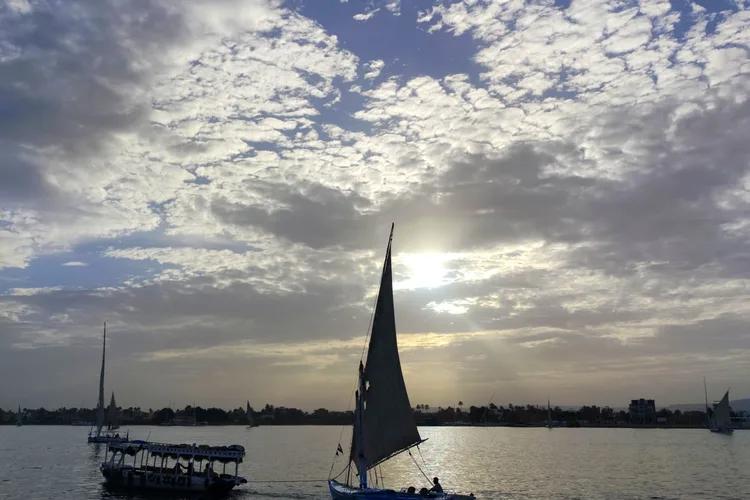
A felucca ride is one of the simplest ways to enjoy Luxor without adding another ancient site.
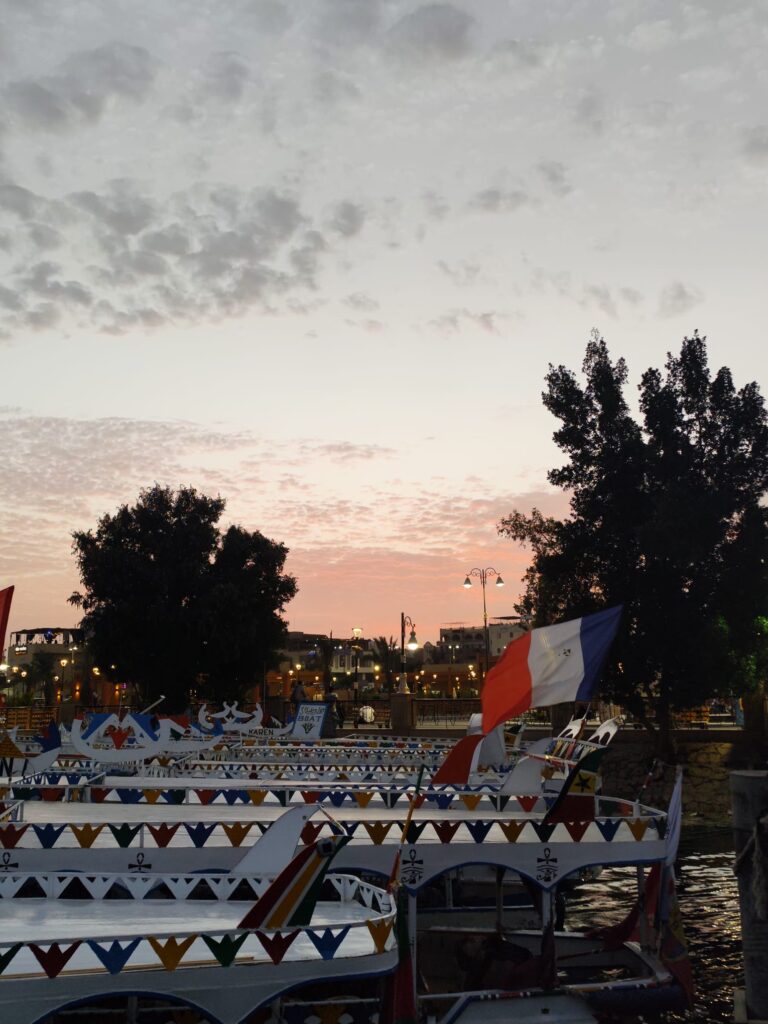
Luxor is split by the Nile. You can cross by public ferry, which is cheaper and more local, or by private felucca or boat, which is easier and more comfortable. The private option costs more, but it is still affordable for most international travelers.
You can also take a longer felucca ride just for the experience. Sunset is the best moment. The city feels softer from the water, and the Nile is a calm break after temples, heat, and bargaining.
It is not luxury. It is simple, slow, and pleasant.
Nile Cruise from Luxor to Aswan
Many Nile cruises start in Luxor and continue south to Aswan over several days. This makes sense because Luxor and Aswan fit naturally together. Luxor is intense and archaeological. Aswan is slower and more relaxed.
A cruise turns the transfer into part of the trip. You avoid a normal transport day and see the Nile landscape change slowly.
The downside is structure. You follow a schedule, eat on board, and visit stops in an organised way. Some travelers find that comfortable. Others find it too packaged.
It is worth considering if you want comfort and are already going to Aswan. Skip it if you prefer independent travel and flexible days.